
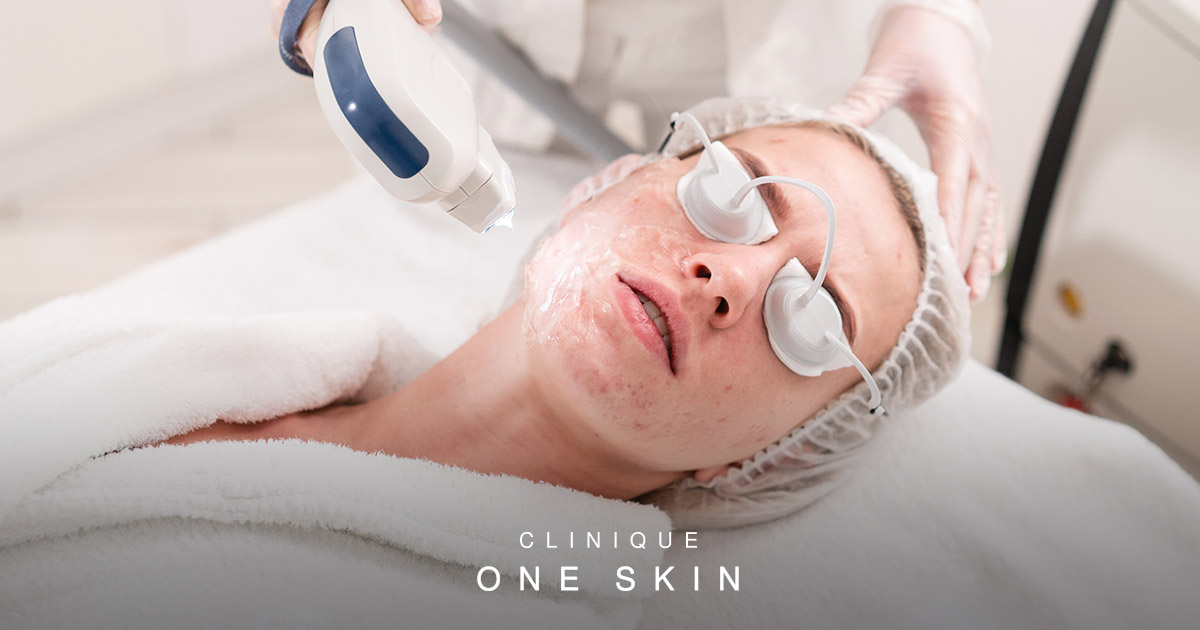
Acne and other skin conditions can affect more than just your appearance. Persistent breakouts, inflammation, discomfort, and scarring may impact your confidence and quality of life. One of the most common questions patients ask before seeking treatment is if dermatology is covered by insurance.
The answer depends on several factors, including your province, whether the condition is considered medically necessary, and the details of your provincial or private insurance plan. Understanding the difference between medical and cosmetic dermatology can help clarify what may or may not be covered.
Medical vs. Cosmetic Dermatology

Insurance coverage often depends on the purpose of the treatment.
Medical dermatology focuses on diagnosing and treating conditions that affect skin health, such as acne, eczema, psoriasis, rosacea, skin infections, or suspicious moles. Depending on your province and eligibility requirements, medically necessary consultations may be covered through your provincial health insurance program, often with a physician referral.
Cosmetic dermatology focuses on improving appearance rather than treating a medical condition. This distinction is important because it usually determines whether cosmetic dermatology is covered by insurance. Treatments performed primarily for aesthetic reasons are generally not covered by provincial healthcare plans.
Does Insurance Cover Dermatology for Acne?

When patients ask whether insurance covers dermatology for acne, the answer depends largely on the severity of the condition.
Mild acne treated mainly for cosmetic reasons may not qualify for coverage. However, moderate to severe acne that causes significant inflammation, painful cysts, infection, or permanent scarring may be considered medically necessary and could qualify for insured dermatology consultations, depending on provincial guidelines.
While consultations may be covered when eligibility requirements are met, prescription medications and certain treatments may instead fall under private insurance benefits or require out-of-pocket payment.
Which Acne Treatments Are Usually Covered?
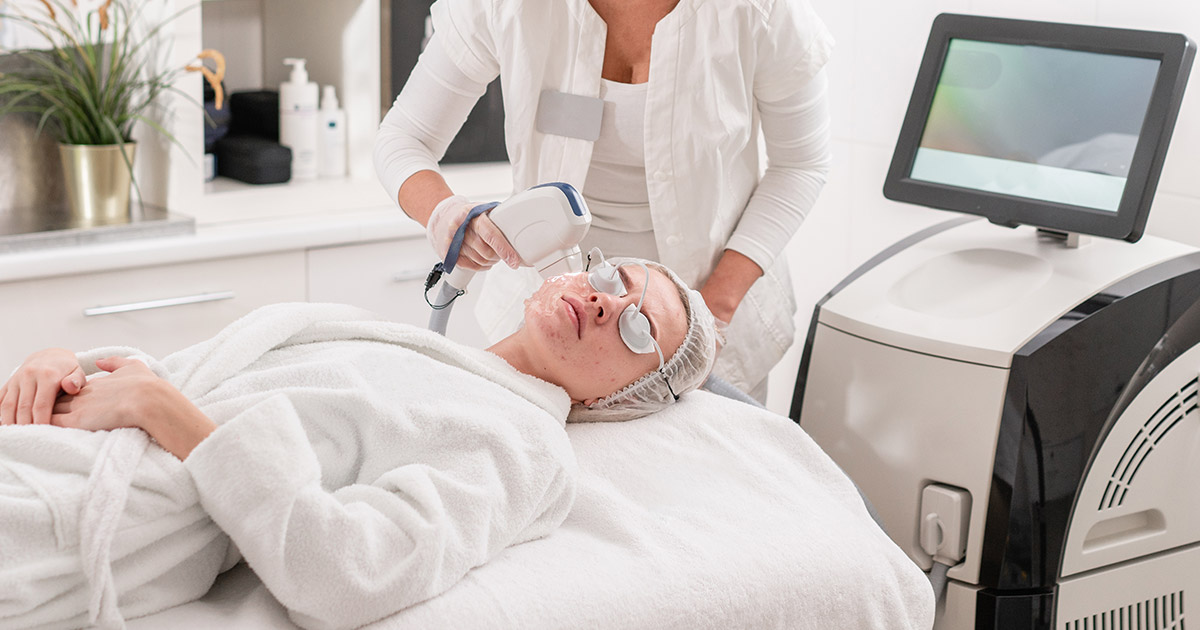
Coverage varies depending on the recommended treatment. Medical treatments that may receive coverage or partial reimbursement include:
- Prescription acne medications (depending on your private insurance plan)
- Medically necessary dermatologist consultations
- Treatment of infected or painful acne-related skin conditions
Procedures performed primarily to improve appearance are generally not covered by provincial healthcare. These commonly include:
- Chemical peels
- Cosmetic facials
- Microneedling
- Skin resurfacing procedures
- Medical-grade skincare products
This also explains why dermatology is not covered by insurance in certain situations. Insurance providers generally distinguish between medically necessary care and elective cosmetic procedures.
Is Acne Scar Treatment Covered?

Many patients seek treatment after acne has healed to improve the appearance of scars. In most cases, acne scar treatments such as laser resurfacing, microneedling, and chemical peels are considered cosmetic procedures and are typically not covered by provincial healthcare plans.
Because these treatments primarily improve appearance rather than treat an active medical condition, patients are usually responsible for the cost unless their private insurance plan offers specific benefits.
How Much Is a Dermatology Visit Without Insurance?

Another common question is how much a dermatology visit costs without insurance. Consultation fees vary depending on the clinic, the provider, and the complexity of the condition being assessed. Additional expenses may include prescription medications, follow-up visits, biopsies, or cosmetic procedures that are not covered by insurance.
If you are paying out of pocket, it is always a good idea to ask about consultation fees and potential treatment costs before your appointment.
How Much Does Insurance Cover for Dermatology?

Patients also frequently ask how much of their dermatology care is covered by insurance. There is no single answer because coverage varies by province and by private insurance plan. Depending on your policy, benefits may include:
- Medically necessary dermatologist consultations
- Prescription medications
- Certain medically necessary procedures
- Follow-up care for eligible chronic skin conditions
Reviewing your policy or contacting your insurance provider is the best way to understand exactly what is covered.
How Do I Know If My Insurance Covers Dermatology?

If you are wondering how to know whether your insurance covers dermatology, contacting your provincial health plan or private insurer before booking an appointment can help avoid unexpected costs.
Useful questions to ask include:
- Is a physician referral required?
- Are dermatologist consultations covered?
- Are prescription acne medications included?
- Is pre-authorization required for treatment?
- Which procedures are excluded from coverage?
Knowing these details in advance can help you better plan your treatment and understand any out-of-pocket expenses.
Early Treatment Can Make a Difference
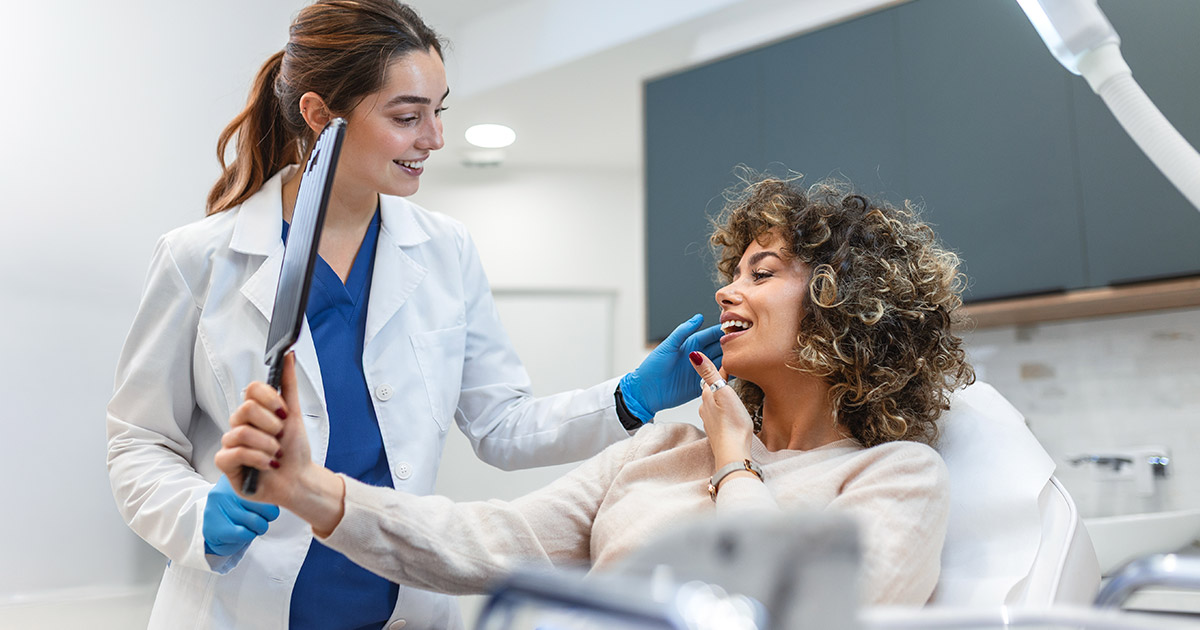
Seeking professional care early may help reduce the risk of ongoing inflammation, acne scarring, and other long-term skin concerns. A qualified healthcare provider can recommend evidence-based treatment options based on your skin condition and individual needs while helping you understand any applicable insurance considerations.
Get Personalized Guidance for Your Skin Concerns
Whether you are dealing with acne, chronic skin conditions, scarring, or cosmetic concerns, professional guidance can help you understand your treatment options and potential insurance coverage. Contact Clinique One Skin Dermatology to discuss your skin concerns and receive personalized recommendations based on your needs.
You May Also Like