

Skin aging is not a sudden transformation. It is a gradual biological process influenced by collagen loss, environmental exposure, and hormonal changes. The signs of aging skin begin subtly and evolve over decades, often long before they become visibly noticeable.
Collagen production begins to decline in your mid-20s, which explains why aging in your 20s already sets the foundation for future skin changes. Slower cell turnover, UV exposure, and lifestyle habits contribute to the signs of skin aging, including uneven tone and early texture changes.
Understanding how these changes occur allows for early intervention and better long-term outcomes, especially when addressing premature wrinkles before they deepen.
Aging in Your 30s: The Early Stage of Visible Change

What Happens to Your Skin in Your 30s
For many individuals, aging in your 30s marks the transition from prevention to early correction. The signs of aging in your 30s are often subtle but significant:
- Fine lines around the eyes and mouth
- Mild loss of elasticity
- Early pigmentation issues
- Slight dullness due to slower cell turnover
These are often referred to as the signs of aging at 30, and they are closely tied to the gradual decline in collagen and elastin.
A common comparison between a 20 vs 30-year-old face highlights reduced plumpness and hydration in the latter. Even if the differences are not dramatic, the structural changes have already begun.
Early Indicators You Should Not Ignore
The first signs of aging in the 20s can carry into the 30s if not addressed properly. These include dehydration lines, uneven tone, and premature wrinkles, especially in individuals with high sun exposure or stress levels.
Ignoring these early indicators often accelerates the development of deeper wrinkles later in life.
Recommended Approach for 30-Year-Old Skin
Managing 30-year-old skin requires a preventive and regenerative strategy:
- Medical-grade facials to improve hydration and texture
- Light collagen-stimulating treatments
- Personalized skin assessments
At this stage, patients often explore laser or Botox treatments to soften dynamic lines while preserving natural facial expression.
Aging in Your 40s: Structural Changes Become More Noticeable
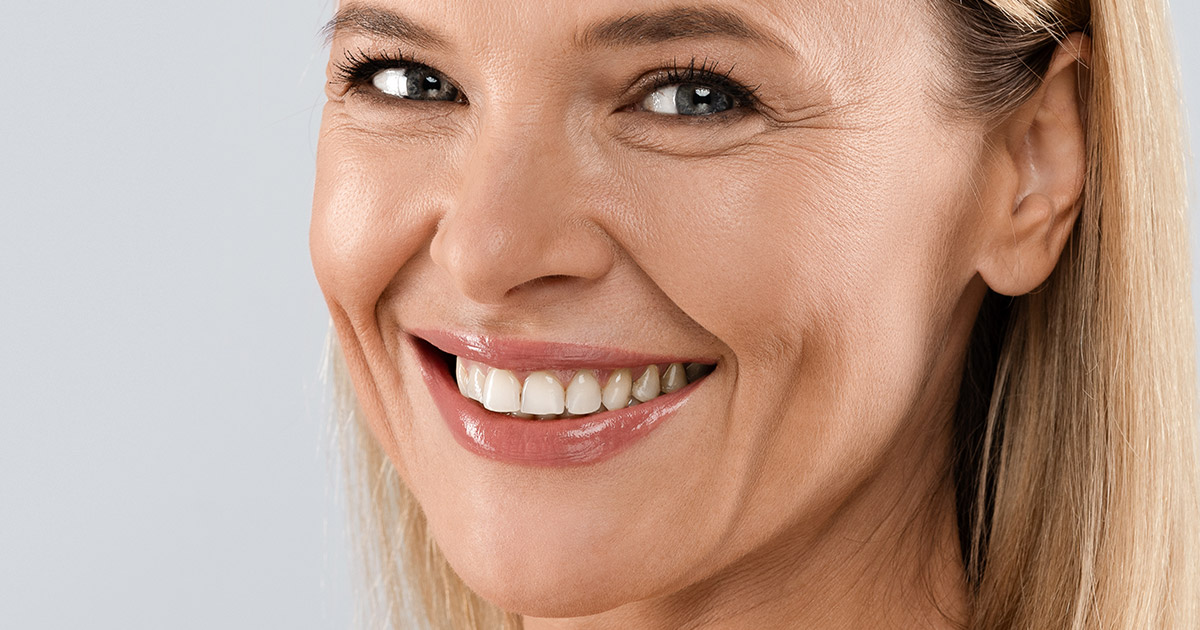
What Changes in Your Skin at 40?
The signs of aging at 40 become more pronounced. Skin begins to lose structural support due to accelerated collagen degradation and hormonal changes. Common signs of aging skin in this decade include:
- Deeper wrinkles and folds
- Noticeable skin laxity
- Increased pigmentation and sun damage
- Thinner, less resilient skin
This is also when people start questioning “what do 40-year-olds look like?” in terms of skin quality. The answer varies widely depending on lifestyle and early intervention, but the difference compared to earlier decades is largely structural rather than superficial.
Hormonal Influence on Skin Aging
Hormonal fluctuations, especially during perimenopause, significantly impact skin:
- Reduced estrogen leads to decreased collagen
- Skin becomes drier and thinner
- Healing and regeneration slow down
These internal changes intensify the signs of skin aging, making targeted treatments more necessary.
Effective Treatments in Your 40s
At this stage, treatment plans shift toward correction and regeneration:
- Fractional laser treatments for texture and pigmentation
- Microneedling with PRP to stimulate collagen
- Targeted anti-aging skin treatments
Patients also begin addressing areas beyond the face, including the neck, as laxity becomes more visible in the lower face and neck.
Aging in Your 50s: Advanced Changes and Skin Fragility

How Skin Evolves in Your 50s
In your 50s, the signs of aging skin become more advanced and complex:
- Significant loss of firmness and elasticity
- Thinning skin with increased fragility
- Deep wrinkles and folds
- Pronounced dryness
The cumulative effects of decades of collagen loss are fully visible, and the skin’s ability to repair itself is significantly reduced.
Impact of Menopause on Skin
Post-menopausal hormonal changes accelerate aging:
- Rapid collagen depletion
- Compromised skin barrier function
- Increased sensitivity
These factors contribute to more visible and persistent signs of aging skin, requiring comprehensive treatment strategies.
Recommended Treatment Strategy
Managing aging in this decade focuses on structural support and regeneration:
- Advanced laser resurfacing treatments
- Combination therapies targeting multiple layers of the skin
- Long-term collagen stimulation protocols
At this stage, combining modalities such as laser or Botox treatments can help restore balance between muscle activity and skin quality.
Why One-Size-Fits-All Skincare Fails
Skin aging is highly individual. Factors such as genetics, lifestyle, and environmental exposure influence how the signs of aging skin appear.
Over-the-counter products often fail to address underlying structural issues like collagen loss or significant pigmentation. This is why a personalized, medically guided approach is essential for effectively managing signs of skin aging.
A tailored plan ensures that treatments align with your skin’s biology and current stage of aging, rather than relying on generalized solutions.
How to Reverse Wrinkles and Slow Down Aging
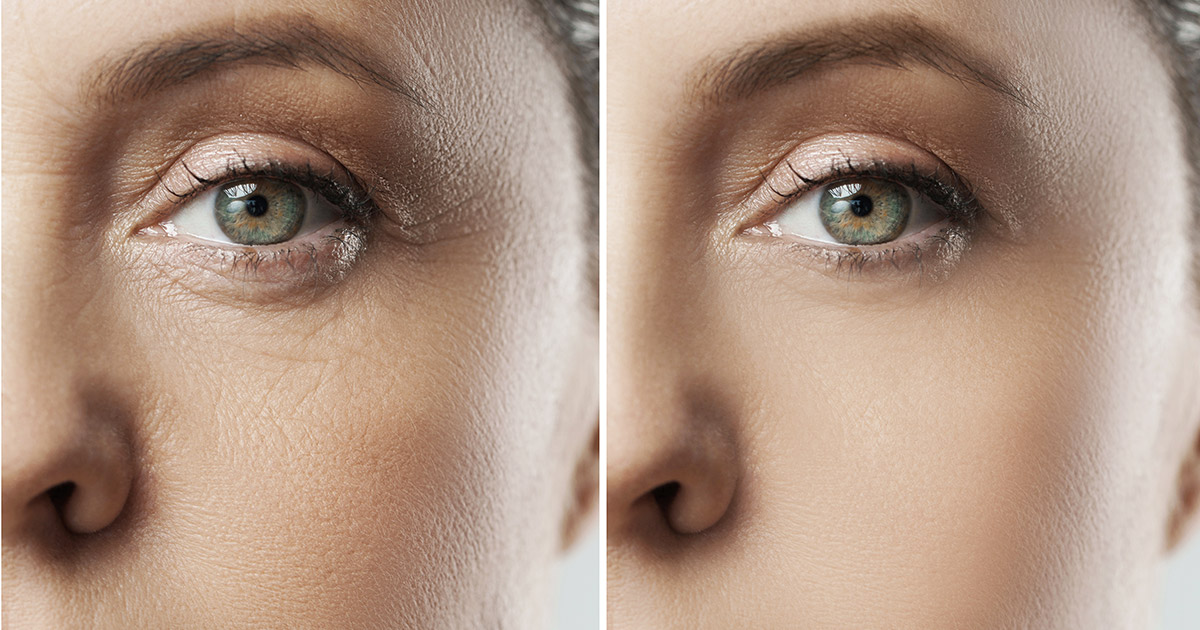
Can You Reverse The Signs of Aging?
A common question is whether it is possible to reverse the signs of aging. While aging cannot be stopped entirely, many visible changes can be improved or slowed significantly. Understanding how to reverse wrinkles involves addressing both surface-level and structural changes:
- Stimulating collagen production
- Improving skin hydration and barrier function
- Reducing muscle overactivity that contributes to wrinkles
What Causes Premature Wrinkles?
Premature wrinkles are often the result of external and lifestyle factors:
- UV exposure without protection
- Smoking and pollution
- Chronic stress
- Poor skincare habits
These accelerate the appearance of signs of aging in your 30s and in some cases, even earlier.
Targeted Solutions
Effective strategies include:
- Collagen-stimulating treatments such as microneedling
- Medical-grade skincare
- Preventive interventions started during aging in your 20s
Early action plays a critical role in delaying deeper structural changes associated with aging.
The Importance of Early and Personalized Intervention

Addressing the signs of aging skin early leads to significantly better outcomes. Preventive care in your 20s and 30s reduces the need for aggressive treatments later. A professional skin assessment typically evaluates:
- Hydration levels
- Pigmentation patterns
- Elasticity and firmness
- Early signs of aging at 30
This allows for a customized treatment plan that evolves with your skin over time.
FAQ: Understanding Skin Aging by Decade
What are the first signs of aging in your 20s?
The first signs of aging in the 20s include dehydration lines, uneven tone, and early, premature wrinkles caused by environmental exposure.
What are the signs of aging in your 30s?
The signs of aging in your 30s include fine lines, reduced elasticity, and mild pigmentation changes.
What changes in your skin at 40?
The signs of aging at 40 involve deeper wrinkles, visible skin laxity, and slower regeneration due to hormonal shifts.
Can you reverse the signs of aging?
While you cannot completely reverse the signs of aging, you can significantly improve skin quality and reduce visible wrinkles with appropriate treatments.
What causes premature wrinkles?
Premature wrinkles are caused by UV exposure, lifestyle factors, and lack of preventive care during aging in your 20s and 30s.
Building a Long-Term Strategy for Healthier Skin
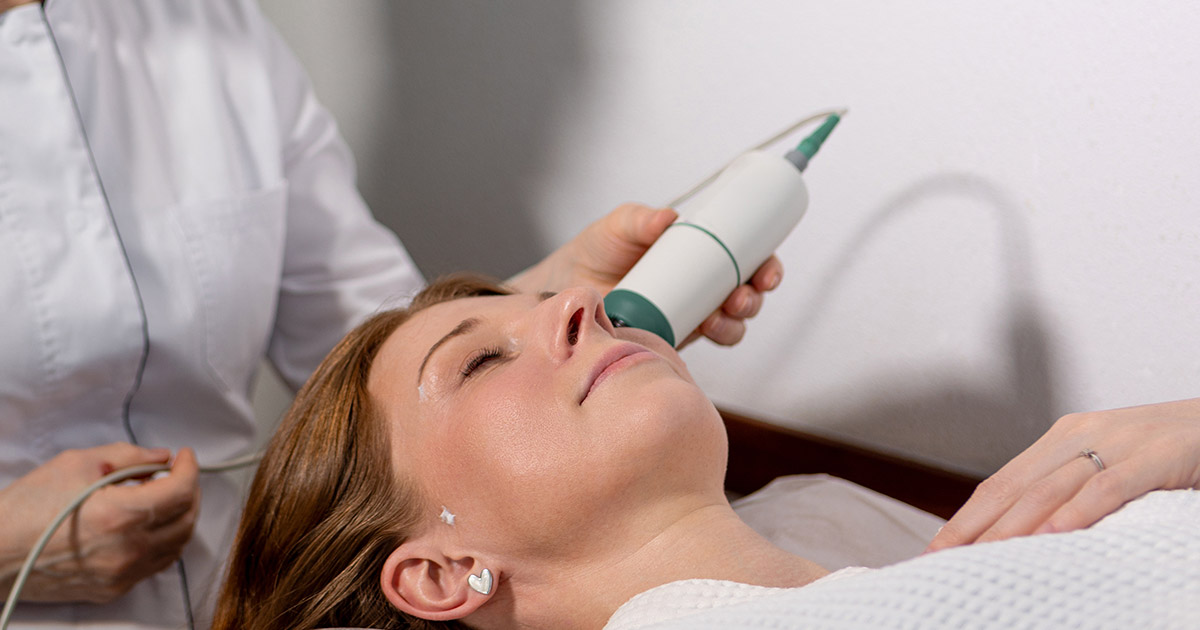
Skin aging is inevitable, but how your skin ages can be influenced significantly. The progression of signs of aging skin across your 30s, 40s, and 50s highlights the importance of adapting your approach at each stage.
From managing aging in your 30s to addressing advanced concerns later in life, the key lies in early intervention, personalized care, and medically guided treatments. A strategic approach not only improves current skin quality but also helps maintain healthier, more resilient skin over time.
Personalized Aging Solutions at Clinique One Skin
At Clinique One Skin™, treatments are tailored to address the signs of aging skin at every stage. Using advanced technologies and medical expertise, personalized plans help improve skin quality, restore firmness, and support natural, long-term results. A professional consultation is the first step toward understanding your skin and building a personalized plan for healthier, more resilient-looking skin over time.
You May Also Like