
Choosing to visit a medical aesthetic clinic is a crucial step toward improving your skin health, confidence, and overall appearance. Understanding what to expect at a skincare consultation allows you to perceive the structure and clinical depth of the visit so you feel informed and prepared. At a reputable provider, a consultation is not a sales appointment. It is a medically informed evaluation designed to create safe, effective, and personalized outcomes.
Below is a detailed guide to what to expect at a skincare consultation, including the medical reasoning behind each step of the process.
Understanding the Purpose of a Medical Aesthetic Consultation
A medical aesthetic consultation is a structured clinical assessment focused on diagnosing skin concerns, evaluating facial anatomy, and developing evidence-based treatment recommendations. Unlike a retail or spa-based treatment consultation, this appointment is rooted in medical science, patient safety, and long-term outcomes.
If you are exploring your options, it is important to understand that the purpose of a skincare consultation is not to rush into treatment, but to carefully assess your skin, review your medical history, and determine the safest and most effective approach for your goals. The objective is to gather comprehensive information about your skin biology, medical history, lifestyle factors, and aesthetic goals before any treatment decisions are made.
The aesthetic consultation process typically includes medical intake, skin analysis, discussion of treatment options, risk evaluation, and structured skin treatment planning.
Step 1: Medical History and Risk Assessment

One of the most important aspects of what to expect at a skincare consultation is a thorough medical review. Even minimally invasive aesthetic treatments interact with the skin’s immune system, vascular network, and healing mechanisms.
Your provider will ask about:
- Current and past medical conditions
- Medications, supplements, and allergies
- History of cold sores or infections
- Previous cosmetic procedures
- Tendency toward hyperpigmentation or scarring
- Pregnancy or breastfeeding status
This step ensures medically guided recommendations. For example, laser treatment planning may require individualized assessment in patients using isotretinoin, particularly for aggressive resurfacing procedures1.
Understanding these factors is central to the aesthetic consultation process and helps prevent complications before they occur.
Step 2: Comprehensive Skin and Facial Assessment

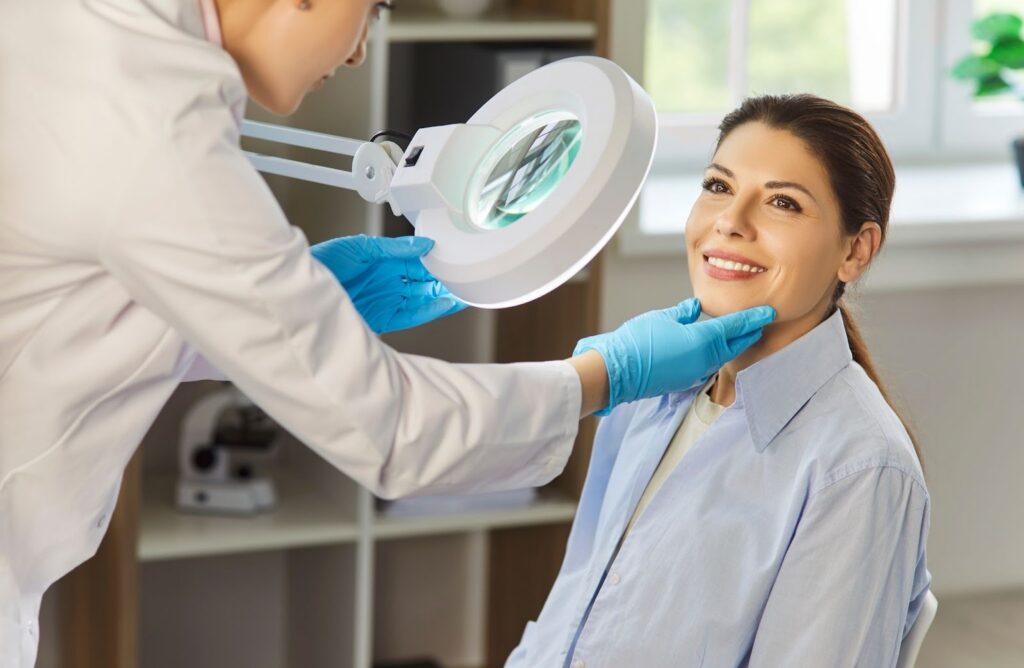
A key component of what to expect at a skincare consultation is a detailed clinical skin evaluation. This assessment goes beyond identifying fine lines or acne. It involves analyzing skin structure and function. Your provider may assess:
- Skin type and Fitzpatrick phototype
- Barrier integrity and hydration levels
- Pigmentation patterns
- Vascular changes such as rosacea
- Signs of collagen depletion and skin laxity
- Facial symmetry and volume distribution
In a medical aesthetic clinic focused on long-term skin health, providers evaluate the skin as a dynamic organ. For instance, collagen degradation begins in the mid twenties, and treatment planning often considers preventative strategies rather than only corrective measures.
This scientific evaluation informs medically guided recommendations that align with your anatomy rather than following trends.
Step 3: Discussion of Goals and Expectations

When considering what to expect at a skincare consultation, open communication is essential. Patients often arrive with concerns such as wrinkles, pigmentation, acne scars, or volume loss. A productive treatment consultation clarifies whether the desired outcome is rejuvenation, prevention, correction, or maintenance. Your provider may ask the following questions:
- What bothers you most about your skin?
- When did you first notice this concern?
- Are you looking for subtle improvement or visible transformation?
- How much downtime are you comfortable with?
This dialogue helps align expectations with clinical reality. Non-surgical treatments can significantly improve skin quality and structure, but they cannot replicate surgical lifting or remove substantial excess tissue. Responsible skin treatment planning involves explaining both benefits and limitations.
Step 4: Explanation of Suitable Treatment Options
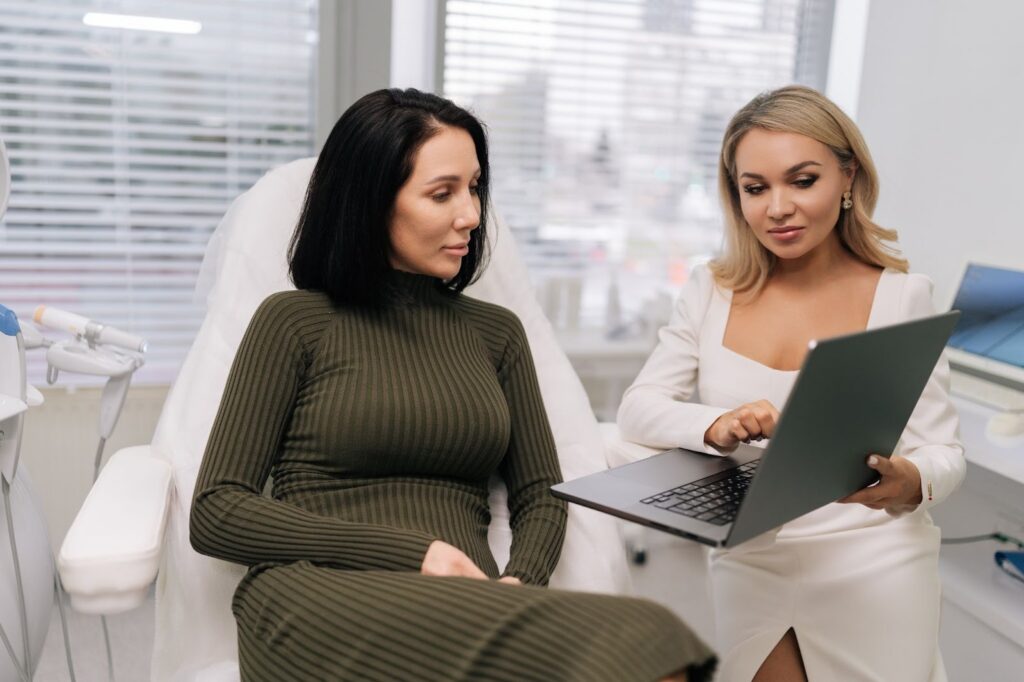
An important part of what to expect at a skincare consultation is an educational discussion of potential treatments. Based on your assessment, options may include:
- Neuromodulators to reduce dynamic wrinkles
- Dermal fillers to restore volume
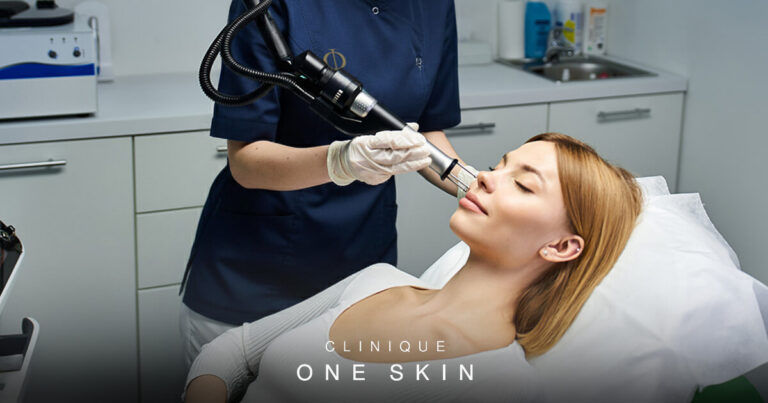
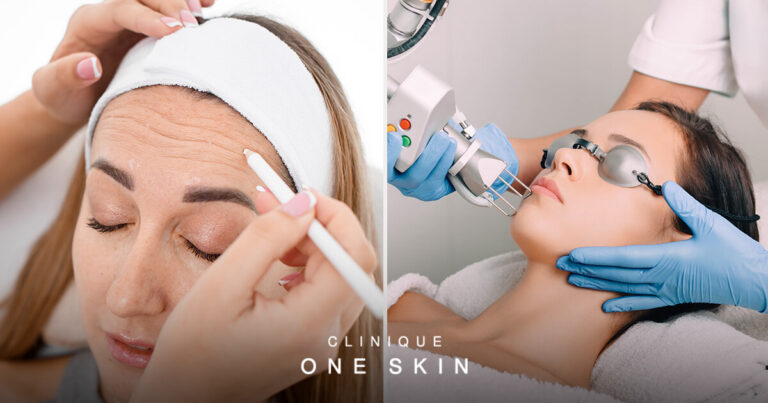
- Laser resurfacing to improve texture and pigmentation
- Medical-grade skincare for barrier repair and collagen support
A professional skincare consultation includes clear explanations of how treatments work at the cellular level. For example, fractional laser devices create controlled microthermal zones that stimulate fibroblast activity and collagen remodeling. Neuromodulators temporarily inhibit acetylcholine release at the neuromuscular junction, softening expression lines.
These insights distinguish a medically supervised treatment consultation from non-medical advice. The goal is to provide medically guided recommendations that are safe, predictable, and supported by clinical evidence.
Step 5: Creating a Personalized Treatment Plan

Many patients researching what to expect at a skincare consultation are surprised to learn that treatments are often staged over time. Effective skin treatment planning considers skin biology, healing cycles, and cumulative results.
At Clinique One Skin, consultations do not result in single, isolated treatments. Instead, your provider may recommend a layered, combination-based protocol designed to address multiple aspects of skin aging simultaneously, from collagen loss and texture changes to pigmentation and volume shifts; in a coordinated, medically guided way.
A structured plan may include:
- Immediate corrective treatment
- A series of sessions spaced weeks apart
- Preventative maintenance appointments
- A customized home skincare protocol
This phased approach supports gradual improvement while protecting the integrity of the skin barrier. The aesthetic consultation process ensures that treatments are sequenced logically rather than layered indiscriminately.
In a comprehensive skincare consultation, your provider will also discuss cost transparency and the anticipated longevity of results.
Step 6: Safety, Risks, and Informed Consent

Understanding risks is a crucial part of what to expect at a skincare consultation. Even minimally invasive procedures carry potential side effects such as swelling, bruising, temporary redness, hyperpigmentation, or rare vascular complications2. A medically responsible beauty treatment consultation includes:
- Review of contraindications
- Explanation of common and rare risks
- Discussion of post treatment care
- Realistic recovery timelines
This stage reinforces the importance of medically guided recommendations. Treatments are only recommended when the anticipated benefit outweighs potential risk.
Frequently Asked Questions
What happens during a medical aesthetic consultation?
During a skincare consultation, your provider reviews your medical history, performs a skin assessment, discusses your goals, and explains suitable treatment options. The aesthetic consultation process concludes with personalized skin treatment planning based on your anatomy and preferences.
How long does a skincare consultation take?
Most consultations last between 30 and 60 minutes, although more complex cases may require additional time. The length depends on the complexity of your concerns and the depth of discussion required to deliver safe and thorough medically guided recommendations.
Do you receive treatment on the first visit?
In some cases, yes. However, when learning what to expect at a skincare consultation, it is important to understand that treatment may be scheduled for a later date if additional preparation is required. Safety and proper planning always come first.
What should I prepare before a skincare consultation?
Bring a list of medications, details about previous procedures, and information about your current skincare routine. Arriving with clean skin can help facilitate an accurate assessment during your beauty treatment consultation.
How do doctors decide which treatments are appropriate?
Treatment decisions are based on medical history, skin type, anatomical structure, and desired outcomes. The aesthetic consultation process integrates clinical knowledge with patient goals to develop evidence-based skin treatment planning.
Your First Step Toward Healthier, Stronger Skin
Understanding what to expect at a skincare consultation empowers you to approach your appointment with confidence. A professional skincare consultation is not about chasing trends. It is about building a long-term strategy that respects your biology and enhances your natural features.
When performed in a medically supervised environment, a treatment consultation becomes a collaborative process rooted in science, safety, and transparency. The right provider will prioritize medically guided recommendations, structured skin treatment planning, and results that evolve naturally over time.
At Clinique One SkinTM, consultations are designed to reflect this philosophy. Each assessment is approached with clinical rigor and a commitment to long term skin health, ensuring that recommendations are personalized, evidence-based, and aligned with your individual goals.
A well-aging strategy does not begin with a syringe or a laser. It begins with assessment.
At Clinique One Skin, every treatment plan starts with understanding your biology, your goals, and your long-term skin trajectory. A structured medical consultation is the foundation for results that are natural, balanced, and sustainable over time.
References
- He SX, Wang Y, Wang J, Tang L, Yang L, Ye FL. Isotretinoin Combined Laser/Light-Based Treatments Versus Isotretinoin Alone for the Treatment of Acne Vulgaris: A Meta-Analysis. J Cosmet Dermatol. 2025 Jan;24(1):e16639. doi: 10.1111/jocd.16639. Epub 2024 Nov 7. PMID: 39509291; PMCID: PMC11743250.
- Levy LL, Emer JJ. Complications of minimally invasive cosmetic procedures: prevention and management. J Cutan Aesthet Surg. 2012 Apr;5(2):121-32. doi: 10.4103/0974-2077.99451. PMID: 23060707; PMCID: PMC3461789.
You May Also Like