
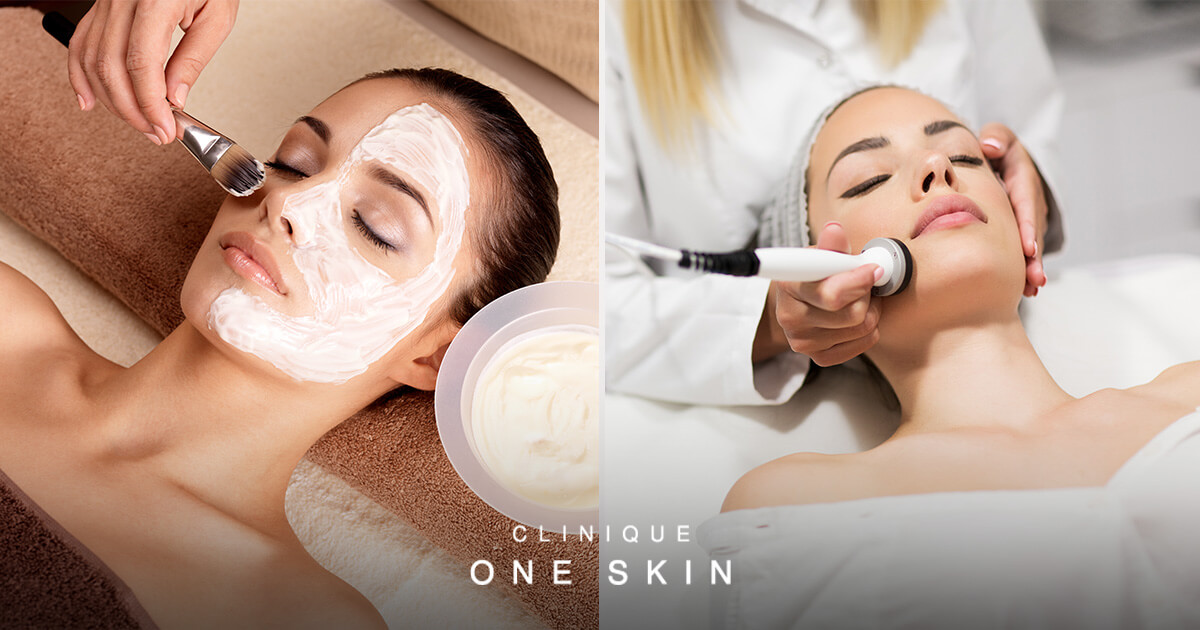
The aesthetic medicine industry has expanded rapidly over the last decade, bringing with it a surge in new technologies, injectable treatments, and energy-based devices. Alongside this growth, terminology such as ‘med spa’ and ‘medical aesthetic clinic’ is often used interchangeably in marketing and consumer-facing settings, despite representing fundamentally different models of care. This confusion has made the ‘medical spa vs medical aesthetic clinic’ comparison increasingly important for patient safety, treatment outcomes, and ethical practice.
From a patient perspective, both environments may appear similar: they offer aesthetic treatments, promise skin rejuvenation, and operate in polished, wellness-oriented settings. However, the underlying medical oversight, diagnostic rigour, and biological depth of care can differ substantially. Understanding these differences allows patients to make informed decisions aligned with their goals, risk tolerance, and long-term skin health.
At its core, the medical spa vs medical aesthetic clinic distinction lies in medical governance, clinical intent, and the degree to which treatments are guided by evidence-based medicine rather than cosmetic trends.
What Is a Medical Spa?
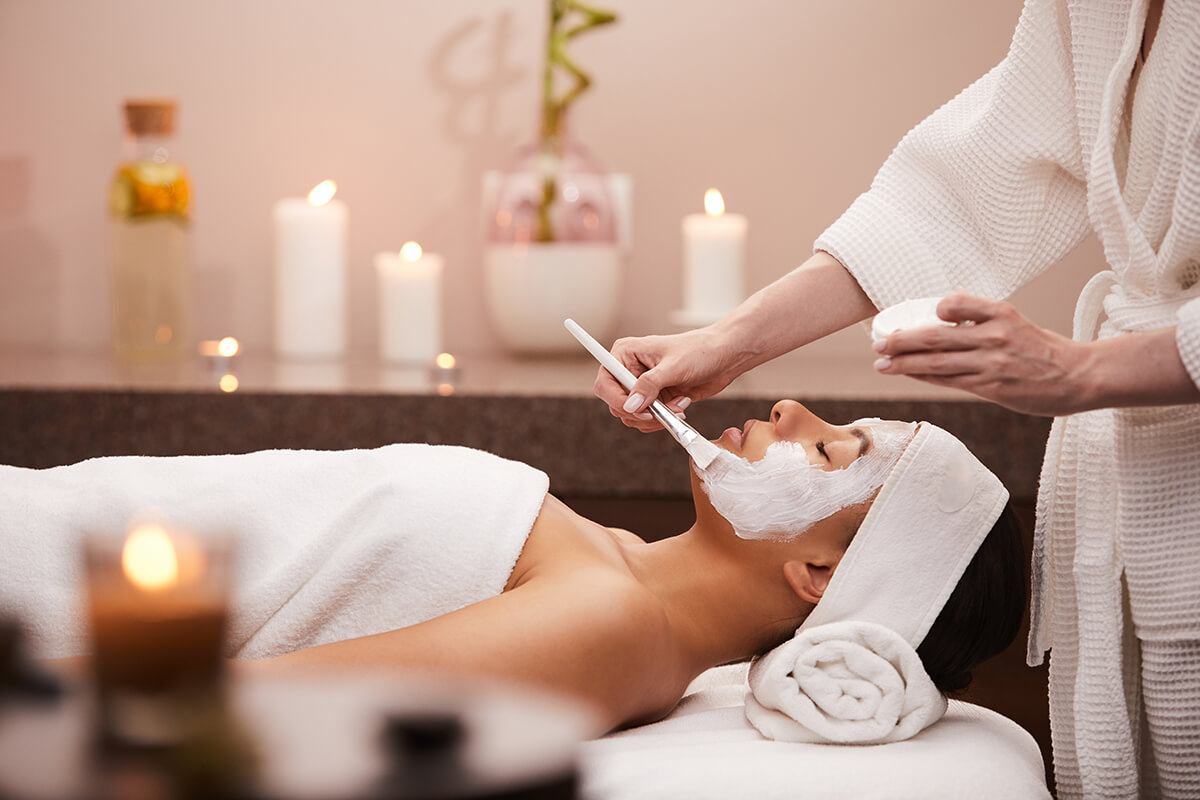
To understand the medical spa vs medical aesthetic clinic comparison, it is essential to first clarify what a medical spa is. A medical spa is a hybrid environment that blends elements of a traditional day spa with select medical aesthetic services. These facilities often emphasize comfort, relaxation, and cosmetic enhancement rather than medical diagnosis or correction.
While medical spas may operate under the license of a physician medical director, the physician’s involvement is often administrative rather than directly clinical, particularly in jurisdictions where on-site physician presence is not mandated. This distinction has meaningful implications for treatment planning, safety protocols, and complication management.
What Do Medical Spas Offer?
A common patient question lies in what medical spas offer, and the answer typically includes services focused on superficial skin improvement and maintenance. These may include:
- Advanced facials (e.g., HydraFacial-type treatments)
- Light to medium-depth chemical peels
- Superficial laser or light-based treatments
- Body contouring or skin-tightening devices
- Injectable treatments in limited scope, depending on the jurisdiction
Medical spas tend to prioritize treatments that produce short-term aesthetic improvements rather than structural or regenerative changes at the dermal or subdermal level. The scope and complexity of injectable treatments offered in medical spas vary widely and are often limited by regulatory frameworks, practitioner training, and physician availability.
Providers and Medical Oversight
Most treatments in a medical spa are performed by licensed aestheticians, laser technicians, or nurses. While this can be appropriate for non-invasive procedures, the level of medically supervised aesthetic treatments varies widely. In many cases, patient consultations are protocol-driven rather than diagnostic, and comprehensive medical histories are not always evaluated with the same depth or diagnostic intent as in physician-led clinical settings.
Treatment Philosophy
Medical spas often operate on a “menu-based” service model. Patients select treatments based on desired outcomes such as glow, hydration, or mild rejuvenation. Within the broader medical spa vs medical aesthetic clinic discussion, this approach favours convenience and accessibility over long-term correction of aging pathways or skin pathology.
What Is a Medical Aesthetic Clinic?
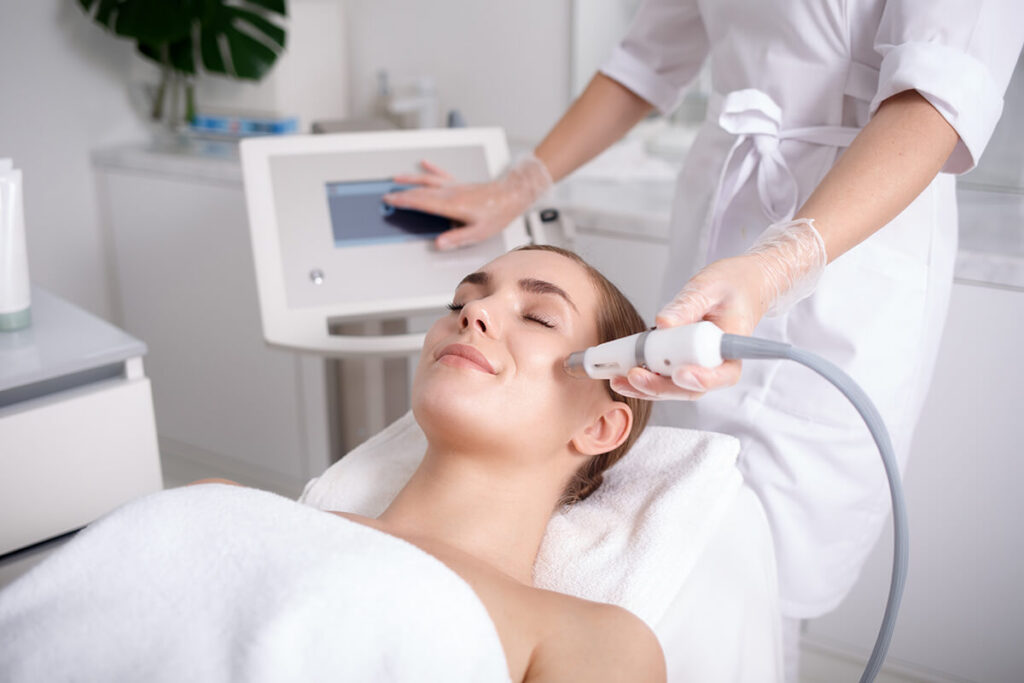
In contrast, a medical aesthetic clinic can be defined as a physician-led medical practice that integrates aesthetic treatments with dermatologic science, anatomy, and regenerative medicine. These clinics are structured around diagnosis, treatment planning, and longitudinal care rather than isolated cosmetic procedures.
The medical spa vs medical aesthetic clinic difference becomes most apparent at this level: a medical aesthetic clinic treats aesthetic concerns as medical conditions influenced by genetics, aging, biology, inflammation, and environmental exposure.
Scope of Treatments
Medical aesthetic clinics offer a broader and deeper range of interventions, including:
- Neuromodulators, dermal fillers, and biostimulatory injectables
- Advanced laser resurfacing (e.g., CO₂ and fractional lasers)
- PRP and regenerative therapies
- Medical-grade pigmentation correction
- Scar revision and collagen restoration
- Concurrent diagnosis and management of skin conditions
These treatments fall squarely within medically supervised aesthetic treatments, requiring clinical judgment, anatomical expertise, and risk stratification.
Medical Oversight and Expertise
Unlike many medical spas, physicians in medical aesthetic clinics are actively involved in consultations, treatment delivery, and follow-up care. Nurses and skin specialists operate under strict clinical protocols. In the medical spa vs medical aesthetic clinic comparison, this active oversight directly impacts patient safety and outcomes, particularly for injectable and energy-based treatments.
Diagnostic-First Approach
Medical aesthetic clinics prioritize in-depth evaluation, including:
- Comprehensive medical and dermatologic history
- Assessment of collagen loss, vascular changes, and melanocyte-driven pigment dysregulation
- Evaluation of lifestyle, hormonal factors, and inflammatory contributors
This diagnostic framework reflects the core difference between aesthetics vs medical aesthetics, where medical aesthetics emphasizes biological mechanisms rather than surface appearance alone.
Medical Spa vs Medical Aesthetic Clinic: Key Differences at a Glance
| Criteria | Medical Spa | Medical Aesthetic Clinic |
| Medical Oversight | Passive or administrative physician involvement | Active physician leadership |
| Clinical Approach | Cosmetic and maintenance-focused | Diagnostic, corrective, and longevity-focused |
| Treatment Depth | Primarily surface-level interventions | Structural, cellular, and regenerative treatments |
| Customization | Standardized protocols | Fully personalized treatment plans |
| Patient Relationship | Episodic care | Ongoing medical partnership |
These distinctions define the true medical spa vs medical aesthetic clinic divide.
Safety, Ethics, and Medical Accountability

The importance of physician oversight cannot be overstated, particularly when treatments involve vascular anatomy, thermal injury risk, or biological modifiers. Complications such as vascular occlusion, scarring, pigmentary changes, or delayed inflammatory reactions require immediate medical intervention.
Medical aesthetic clinics are structured to handle such events through:
- Formal informed consent
- Risk stratification
- Emergency protocols
- Ethical treatment selection
Within the medical spa vs medical aesthetic clinic framework, this level of accountability is associated with a reduced risk of preventable adverse outcomes.
Results: Short-Term Enhancement vs Long-Term Skin Health

Medical Spa Outcomes
Medical spa treatments often deliver immediate, visible improvements such as hydration and luminosity. However, these results are typically transient and require frequent repetition. Their impact on collagen remodelling, elastin preservation, or pigment regulation is limited.
Medical Aesthetic Clinic Outcomes
Medical aesthetic clinics aim for cumulative improvement through biologically targeted interventions. By stimulating neocollagenesis, modulating melanocyte activity, and restoring structural support, these clinics achieve results that evolve over months and years.
This long-term perspective is central to the medical spa vs medical aesthetic clinic distinction and aligns with the emerging philosophy of well-aging.
Frequently Asked Questions
What Is the Difference Between a Medical Spa and a Medical Aesthetic Clinic?
The difference lies in medical oversight, diagnostic rigour, and treatment depth. A medical spa vs medical aesthetic clinic comparison shows that clinics are physician-led, biologically focused, and structured around long-term care, while spas emphasize cosmetic maintenance.
What Is a Medical Spa?
A medical spa refers to a hybrid facility offering cosmetic treatments in a spa-like environment, often with limited physician involvement.
What Is a Medical Aesthetic Clinic?
A medical aesthetic clinic refers to a physician-led medical practice integrating aesthetics with dermatology and regenerative medicine.
Is a Medical Spa the Same as Medical Aesthetics?
No. This question highlights the confusion between aesthetics vs medical aesthetics. Medical aesthetics requires medical diagnosis, oversight, and accountability, which are not inherent to all medical spas.
The Future of Aesthetic Medicine: From Beauty Services to Medical Care
As patients become more informed, the industry is shifting toward evidence-based, medically guided care. The medical spa vs medical aesthetic clinic conversation reflects this evolution, where outcomes, safety, and longevity increasingly outweigh convenience and trends.
Making an Informed Choice: Choosing the Right Model for Your Skin Health
Understanding the medical spa vs medical aesthetic clinic distinction empowers patients to align their care with their goals. While both models serve a purpose, true aesthetic medicine begins with medical insight, ethical practice, and personalized strategy grounded in science rather than surface-level enhancement.
One Skin™ represents a state-of-the-art medical aesthetic clinic, combining physician-led expertise, advanced diagnostics, and evidence-based technologies to deliver medically supervised aesthetic treatments focused on long-term skin health and safety. To learn whether this approach is right for you, contact us or book a personalized consultation with our medical team.
You May Also Like