
In aesthetic medicine, few comparisons create more confusion than laser vs. Botox. Both are widely discussed, frequently searched, and often mentioned together, yet they are designed to address fundamentally different skin concerns. Many patients assume that these solutions are interchangeable for aging skin, particularly wrinkles, when in reality, they address entirely different biological causes.
This article is designed to clarify that distinction. By understanding the difference between wrinkles vs. skin texture, and why doctors evaluate the cause of a concern before recommending a treatment, readers can move away from self-selecting procedures and toward informed, physician-guided decisions. The key takeaway: laser treatments and Botox treat different problems, not the same one.
Why Laser Treatments and Botox Are Often Confused
Patient confusion is understandable and common. Laser treatments and Botox are both prominent in medical aesthetics, both are associated with facial rejuvenation, and both are discussed broadly online and on social media. As a result, they’re often grouped as general “anti-aging” solutions.
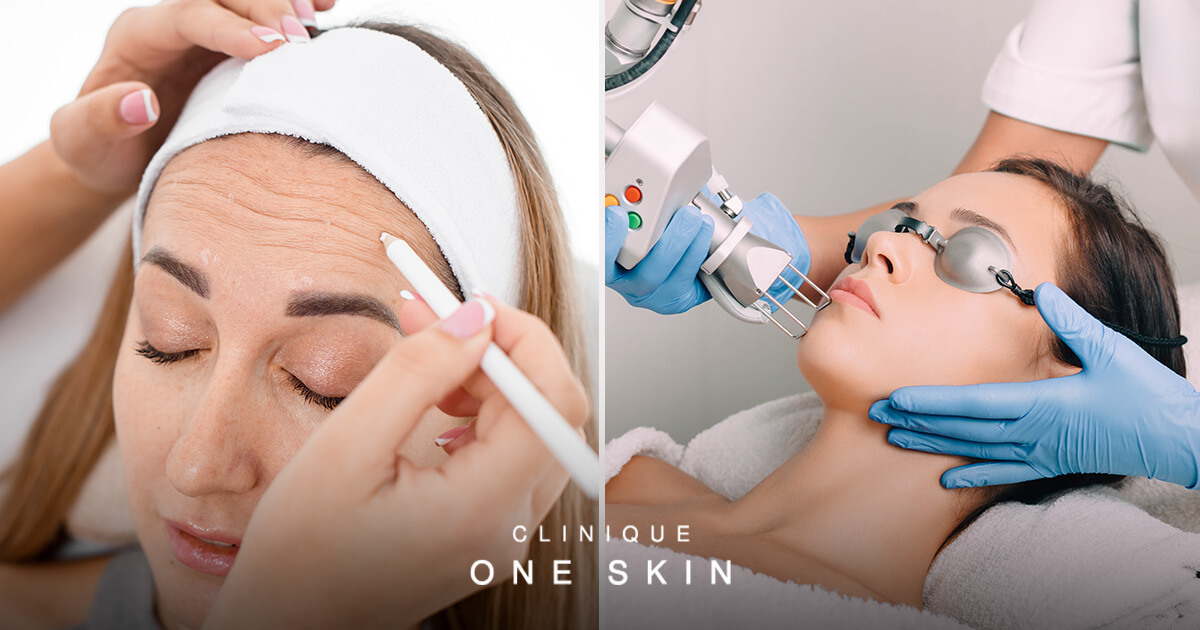
Clinically, however, they fall into two distinct categories: skin resurfacing vs injectables. Laser treatments work on the quality and structure of the skin itself, while Botox works on the muscles beneath the skin. One addresses surface and structural change; the other targets movement-driven changes.
Because both can make the face appear smoother or more refreshed, the differences in how they achieve those results are often overlooked, leading patients to compare treatments that are not biologically equivalent.
What Skin Concerns Are Laser Treatments Designed to Address?
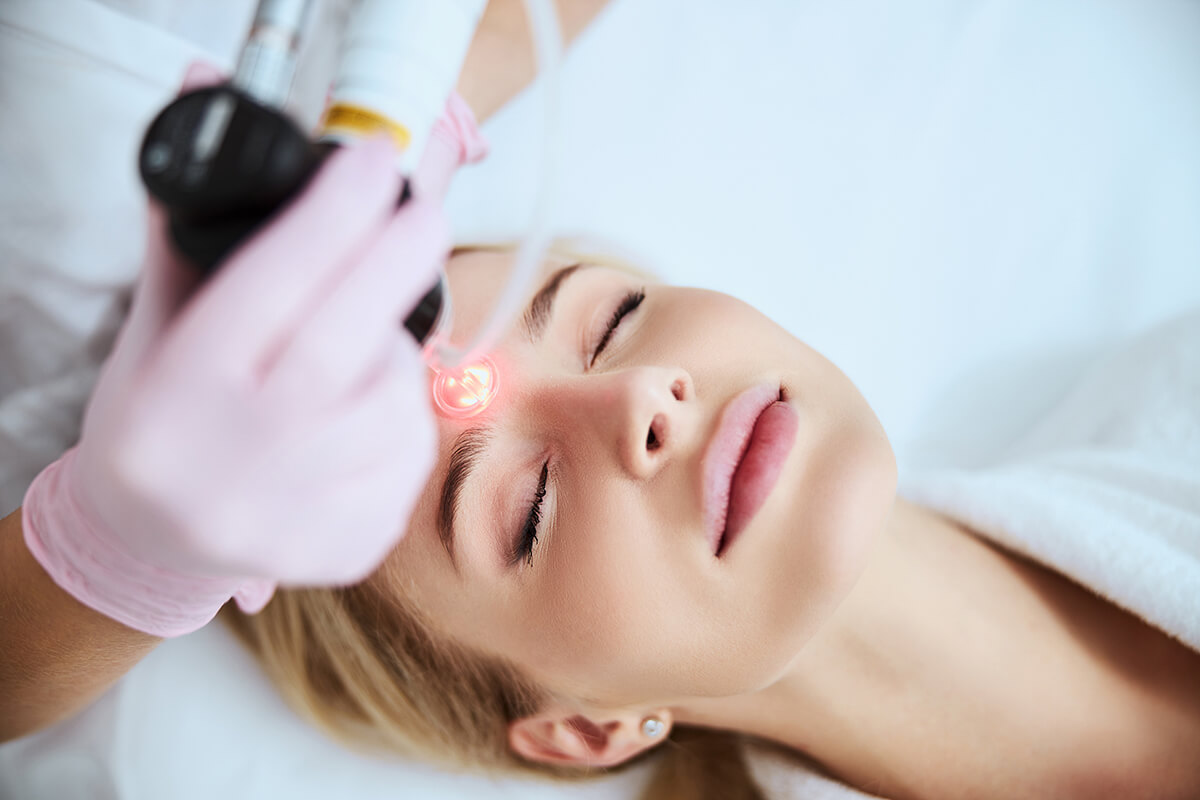
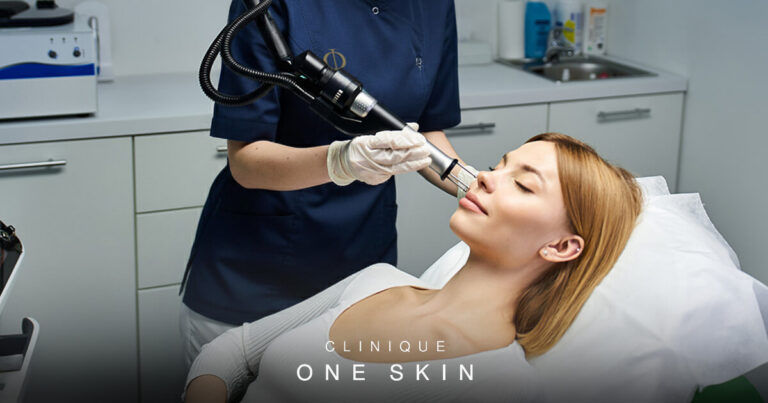
Laser treatments are designed to address concerns that originate in the skin tissue itself. These include changes caused by aging, sun exposure, inflammation, and collagen loss over time. Rather than affecting muscle activity, lasers interact directly with the skin’s layers to trigger repair and renewal processes.
At a high level, laser treatments are commonly used for:
- Uneven or rough skin texture
- Sun damage and photodamage
- Fine lines related to skin thinning
- Surface irregularities caused by collagen depletion
A CO2 face treatment, for example, is a type of laser-based skin resurfacing that works by creating controlled thermal injury in the skin. This process stimulates the body’s natural healing response, leading to collagen stimulation and gradual improvement in skin texture and firmness1.
Laser treatments are particularly effective for concerns related to surface damage, where the issue lies in the skin’s structure, thickness, or uniformity rather than in facial movement. For readers exploring broader options, you can learn more about [skin resurfacing treatments] that are commonly evaluated in clinical settings.
What Skin Concerns Is Botox Designed to Address?
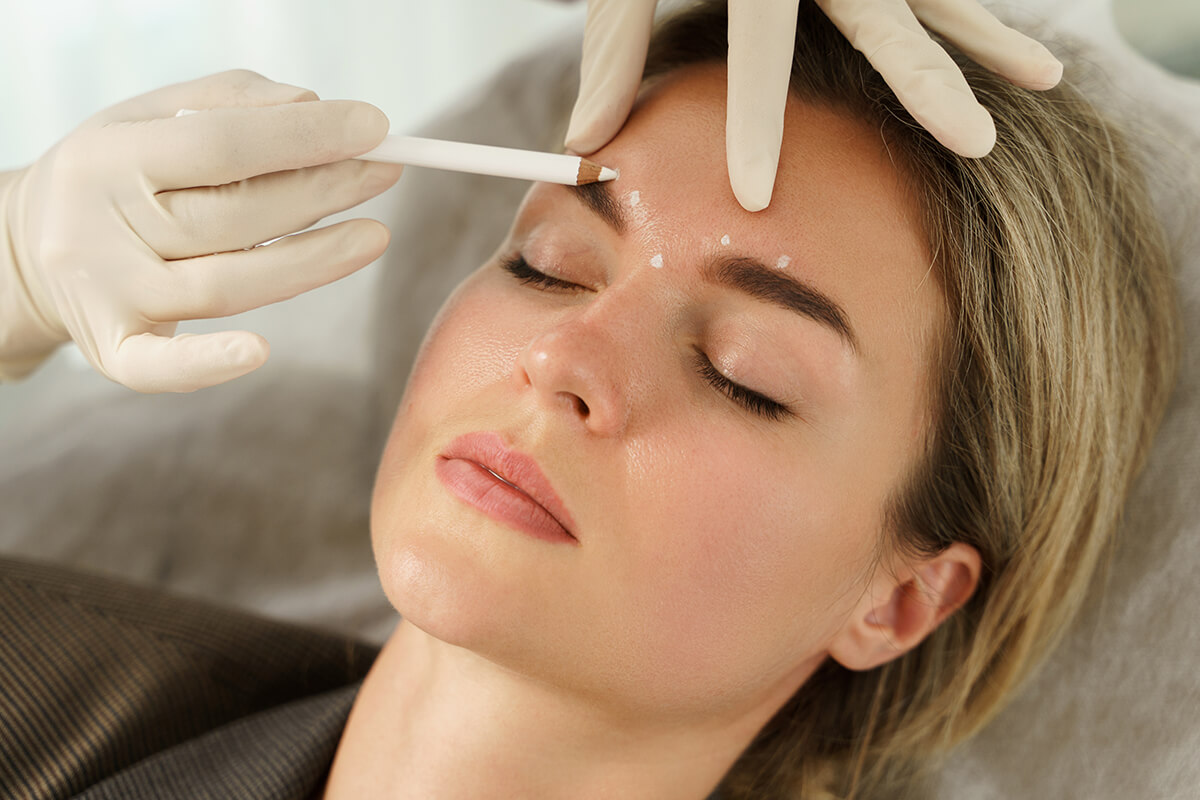
Botox serves a very different clinical purpose. Rather than treating the skin itself, it targets the muscles responsible for facial expression. Over time, repeated muscle movement, such as frowning, squinting, or raising the eyebrows, causes the skin to fold in the same places again and again. These folds eventually become visible lines.
In the discussion of Botox vs. laser, Botox is specifically designed to address:
- Dynamic wrinkles caused by repetitive muscle contraction
- Lines that appear or deepen with facial movement
- Areas where controlled muscle relaxation can reduce skin folding
By temporarily relaxing targeted muscles, Botox reduces the mechanical stress placed on the skin above them. This allows dynamic lines to soften and helps prevent them from becoming permanently etched.
Importantly, Botox does not improve skin texture, surface damage, or collagen quality. Its role is functional and preventative, making it most appropriate when wrinkles are driven primarily by movement rather than skin integrity2. More information on this category can be found under injectable or neuromodulator treatments commonly discussed in medical aesthetics.
Laser vs Botox: A Clinical Comparison

From a clinical perspective, the distinction between laser treatments and Botox is best understood through a cause–mechanism–outcome framework.
| Clinical Factor | Laser Treatments | Botox |
| Cause Addressed | Changes in skin structure, thickness, and surface quality | Muscle-driven movement patterns that crease the skin |
| Mechanism of Action | Collagen stimulation through controlled thermal injury and tissue remodeling | Muscle relaxation that reduces repetitive folding of the skin |
| Clinical Outcome | Gradual improvement in skin texture, tone, and surface irregularities | Softening of expression-related lines by limiting muscle activity |
This distinction is often summarized as dynamic lines vs. surface damage. While both can influence the appearance of wrinkles, they do so by addressing entirely different biological processes. Understanding this difference helps explain why one treatment cannot simply substitute for the other.
Can Laser Treatments and Botox Be Used Together?
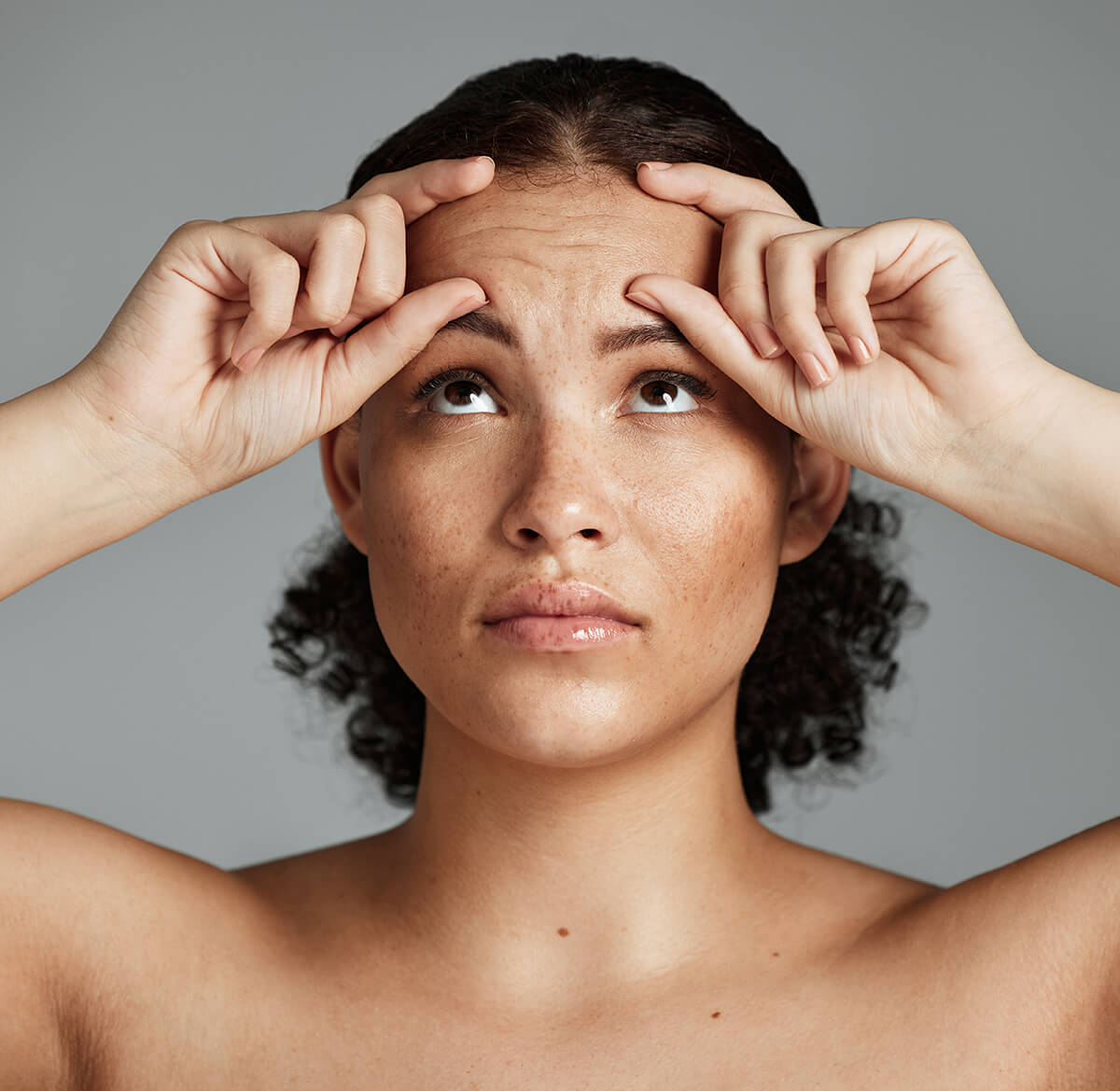
Yes, laser treatments and Botox are often used together, but not interchangeably. Their roles are complementary, not competitive.
When a patient presents with both movement-related lines and skin surface concerns, a physician may design a treatment plan that addresses each issue separately. Botox can reduce muscle-driven creasing, while laser treatments can improve underlying skin quality.
Sequencing and planning matter. The order, timing, and suitability of combined treatments depend on individual anatomy, skin health, and clinical priorities. This is why combination approaches require medical oversight rather than self-directed decision-making.
Why Medical Evaluation Matters When Choosing Between Laser and Botox

Choosing the wrong treatment for the wrong concern can lead to underwhelming results or unnecessary intervention. Treating surface issues with muscle-focused solutions, or vice versa, does not address the root cause of the problem.
A medical evaluation allows clinicians to assess:
- Whether wrinkles are driven by movement or skin quality
- The degree of collagen loss or surface damage present
- Which mechanism, structural repair or muscle relaxation, is appropriate
This diagnostic step is critical. It ensures that treatment selection is based on biology, not trends or assumptions. Medical guidance helps align expectations, reduce risk, and support long-term skin health.
Laser vs. Botox: Frequently Asked Questions
What is the difference between a CO2 laser and Botox?
A CO2 laser treats the skin itself by targeting the surface and deeper skin layers to stimulate collagen production and tissue renewal. Botox works beneath the skin, temporarily relaxing specific facial muscles. While both can improve the appearance of wrinkles, they act on different anatomical structures and address different causes of aging.
Does CO2 laser treat wrinkles the same way Botox does?
No. A CO2 laser improves wrinkles that result from skin thinning, collagen loss, and surface damage by resurfacing and strengthening the skin. Botox treats wrinkles caused by repetitive muscle movement, such as frowning or squinting. Because the mechanisms are different, one treatment cannot replace the other.
What skin concerns is the CO2 laser best for?
CO2 laser is best for concerns related to skin quality rather than movement. These include uneven texture, sun damage, fine lines caused by collagen loss, acne scarring, and overall skin resurfacing. It is designed to improve the structure and integrity of the skin over time through controlled stimulation of healing and collagen production.
What skin concerns is Botox best for?
Botox is best for dynamic wrinkles, lines that form from repeated facial expressions. Common areas include the forehead, frown lines between the eyebrows, and crow’s feet. By relaxing the muscles that cause these movements, Botox reduces ongoing skin folding and helps soften expression-related lines before they become permanently etched.
Can CO2 laser and Botox be used together?
Yes. CO2 laser and Botox are often used together because they target different aspects of facial aging. Botox reduces muscle-driven wrinkles, while CO2 laser improves skin texture and surface quality. When combined thoughtfully and under medical supervision, they can address both movement-related lines and underlying skin changes.
How do doctors decide between CO2 laser and Botox?
Doctors assess whether a concern is primarily caused by muscle activity or by changes in skin structure and texture. This evaluation includes examining facial movement, skin quality, and overall anatomy. Based on this clinical assessment, they determine which treatment, or combination, is appropriate. Patients can learn more through a medical aesthetic consultation.
Why Medical Guidance Is Essential
Laser treatments and Botox are frequently compared, but they are not interchangeable. Each is designed to treat a specific category of skin concern, rooted in different biological mechanisms. Understanding this distinction helps reduce confusion, prevents self-diagnosis, and supports better outcomes. When it comes to laser vs. Botox, the most important factor isn’t the treatment name; it is identifying the right approach for the underlying concern, guided by medical expertise.
At Clinique One Skin™, we provide advanced anti-aging and skin rejuvenation treatments guided by medical expertise and individualized care. Our approach focuses on understanding the underlying causes of skin concerns, whether related to texture, collagen loss, or muscle movement, so treatments are selected thoughtfully, not generically.
If you’re exploring options such as laser treatments, injectables, or combination approaches, we invite you to contact us to learn more and receive professional guidance tailored to your skin.
References
- Yumeen S, Khan T. Laser Carbon Dioxide Resurfacing. [Updated 2023 Apr 23]. In: StatPearls [Internet]. Treasure Island (FL): StatPearls Publishing; 2025 Jan-. Available from: https://www.ncbi.nlm.nih.gov/books/NBK560544/
- Satriyasa BK. Botulinum toxin (Botox) A for reducing the appearance of facial wrinkles: a literature review of clinical use and pharmacological aspect. Clin Cosmet Investig Dermatol. 2019 Apr 10;12:223-228. doi: 10.2147/CCID.S202919. PMID: 31114283; PMCID: PMC6489637.
You May Also Like