
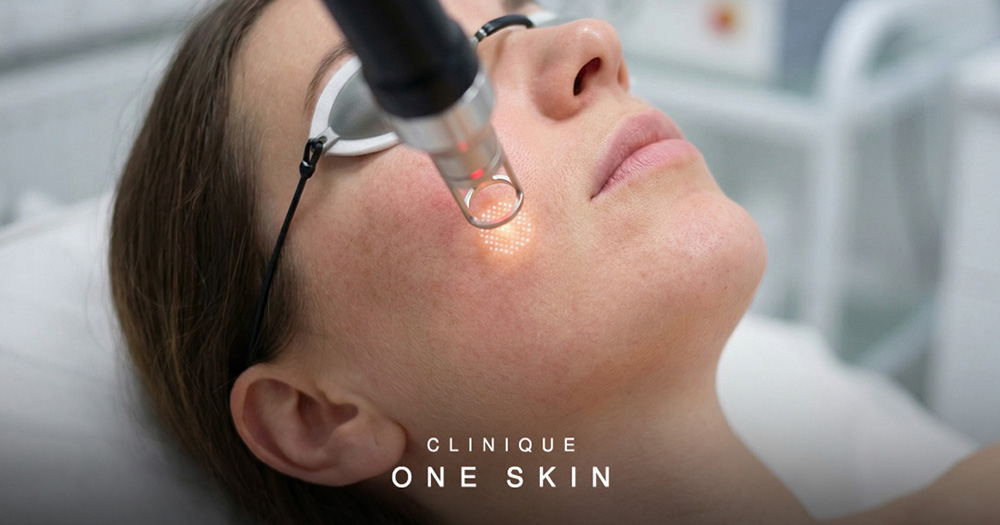
Most people treat their skin reactively. They schedule a facial before an event, seek treatment after noticing fine lines, or address pigmentation once it becomes visible. However, the skin aging process is biological and progressive. It does not pause between appointments.
Typically beginning in the early thirties, skin collagen loss occurs at an average rate of about 1 percent per year1. Collagen fibers fragment, elastin weakens, and cellular turnover slows. These structural shifts happen deep in the dermis, long before they are fully visible on the surface. Long-term skin planning recognizes this timeline and intervenes at the level where aging originates.
Understanding the real laser facial benefits requires viewing laser resurfacing not as a cosmetic refresh, but as a strategic tool within a medically guided, long-term plan.
The Skin Aging Process: Why Quick Fixes Fall Short
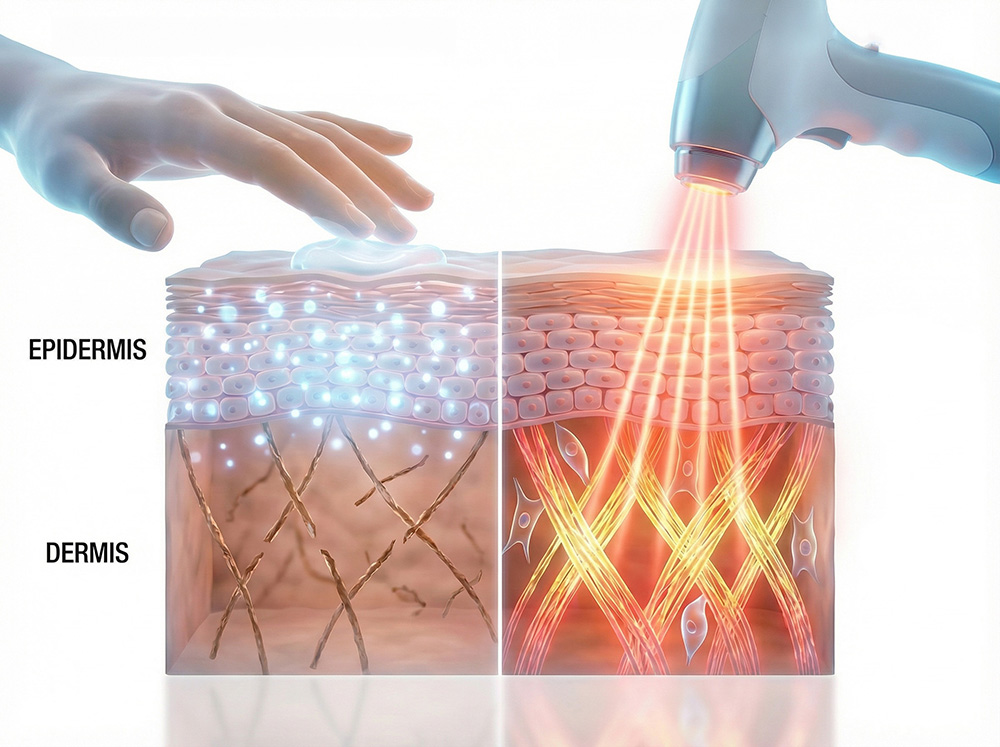
The skin aging process involves gradual thinning of the dermis, decreased fibroblast activity, and cumulative environmental damage. As skin collagen loss progresses, the skin becomes less elastic, more fragile, and slower to repair itself. Surface dryness and dullness are symptoms of deeper structural decline.
Superficial treatments primarily target the epidermis. They can hydrate, exfoliate, and temporarily brighten, but they do not meaningfully influence collagen architecture. Because skin collagen loss occurs in the dermal layer, treatments that fail to reach that depth cannot provide sustained improvement.
For true skin texture improvement, structural remodeling is required. This is where scientifically supported laser facial benefits become clinically relevant.
Why Don’t Facials Give Long-Term Results?

Facials have value. They support circulation, remove debris, and improve hydration. However, they do not stimulate deep collagen remodeling.
Temporary plumping often results from hydration or mild inflammation, not structural repair. Once swelling resolves and moisture levels normalize, visible improvements fade. The skin aging process continues unaffected beneath the surface.
Facials are best viewed as maintenance. They do not reverse skin collagen loss or trigger long-term dermal renewal. Patients seeking lasting skin texture improvement treatment must look beyond surface-level care and consider interventions that activate fibroblasts and collagen synthesis.
This distinction explains why understanding the full scope of laser facial benefits is essential for long-term outcomes.
What Is a Long-Term Skin Care Plan?
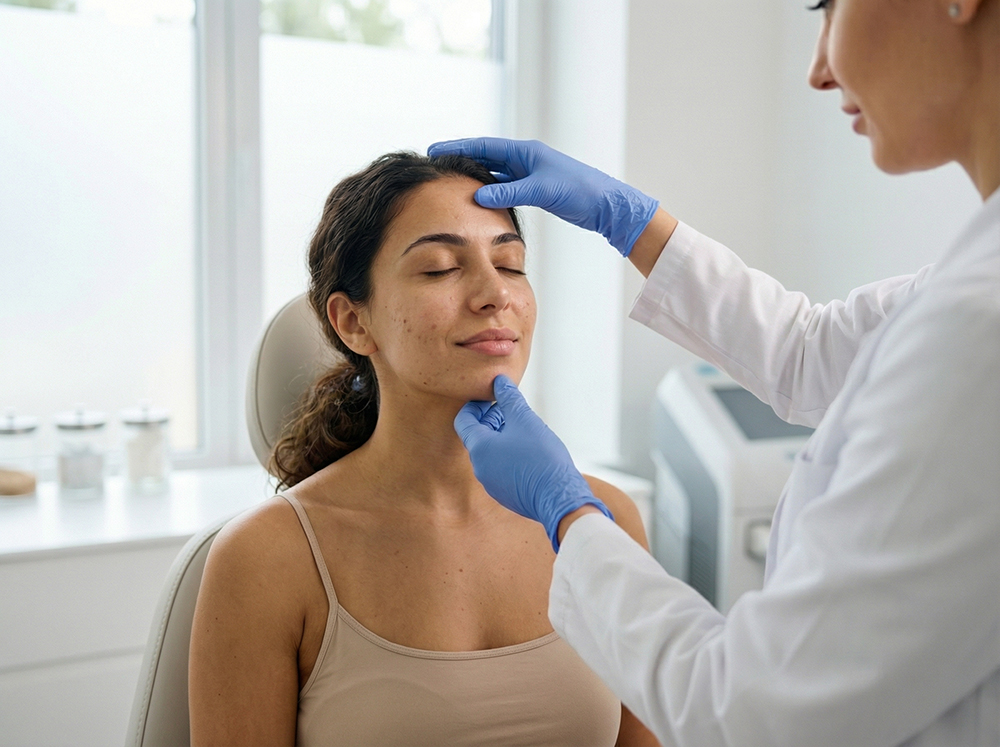
A long-term skin care plan discussion begins with diagnosis. Long-term planning includes:
- Comprehensive skin assessment
- Identification of structural and pigment concerns
- Collagen-stimulating treatments
- Medical-grade skincare
- Maintenance scheduling
- Seasonal adjustments
A true plan addresses the skin aging process at multiple levels and does not rely on a single modality. It combines targeted resurfacing, neuromodulators when appropriate, biostimulation, and evidence-based topical care.
The goal is to slow skin collagen loss, improve dermal density, and support long-term skin texture improvement. Within this framework, laser facial benefits serve as a cornerstone intervention rather than a standalone solution.
Laser Facial Benefits That Support Long-Term Skin Health
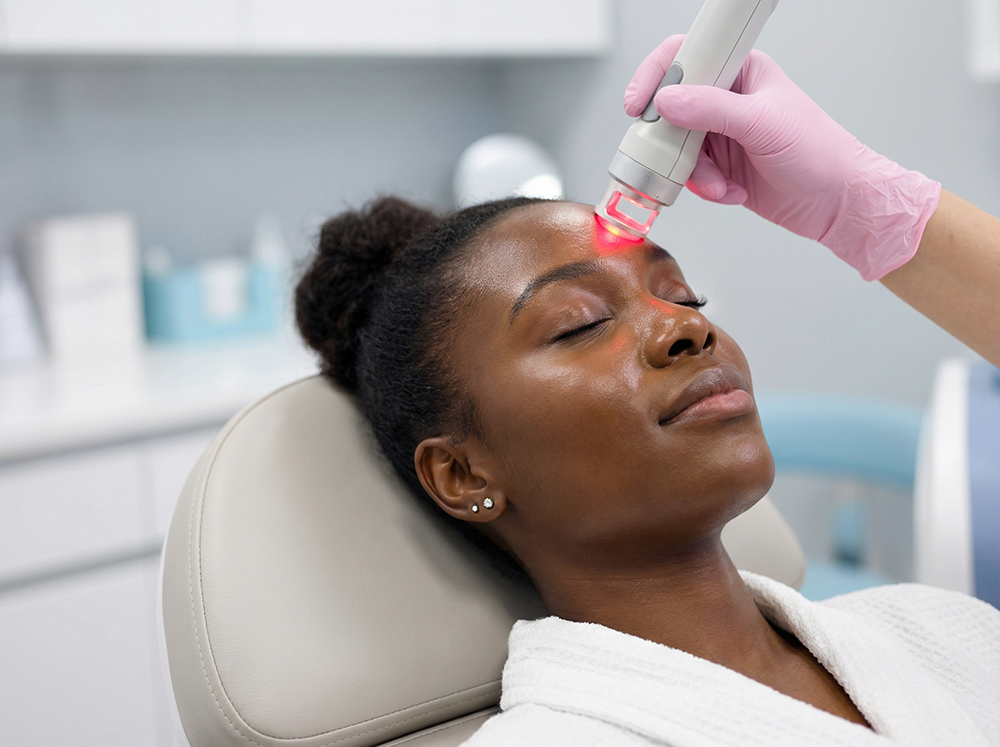
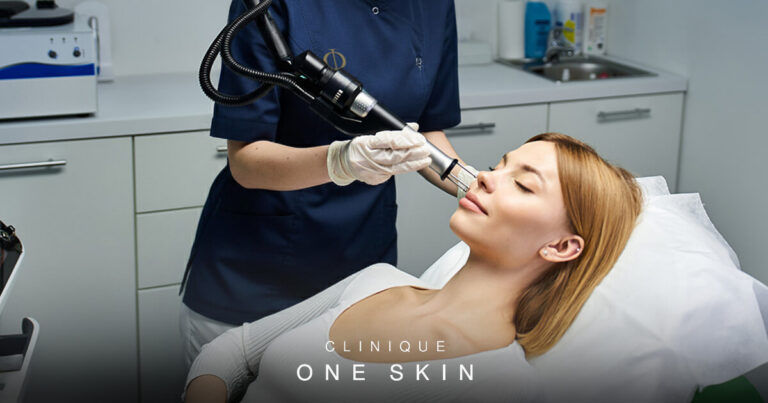
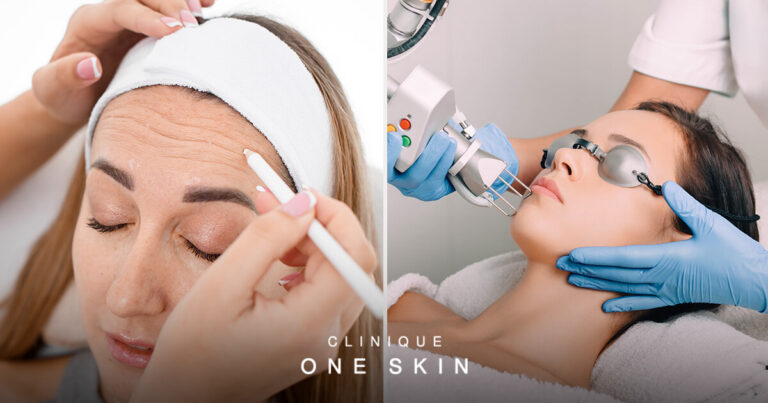
When evaluating laser facial benefits, the mechanism of action matters. Fractional laser resurfacing creates controlled microthermal injury within the dermis. This stimulates a wound-healing cascade, activating fibroblasts to produce new collagen and reorganize existing fibers.
Key laser facial benefits include:
- Collagen remodeling over several months
- Reduction of fine lines
- Improvement in pigment irregularities
- Enhanced elasticity
- Measurable skin texture improvement
Unlike superficial exfoliation, this process addresses the structural changes caused by the skin aging process. By stimulating collagen synthesis, laser resurfacing counteracts skin collagen loss and strengthens dermal architecture.
Because remodeling continues for months, the biological impact extends well beyond the treatment day. These long-term structural effects define the true value of laser facial benefits.
How Long Does Laser Resurfacing Last?
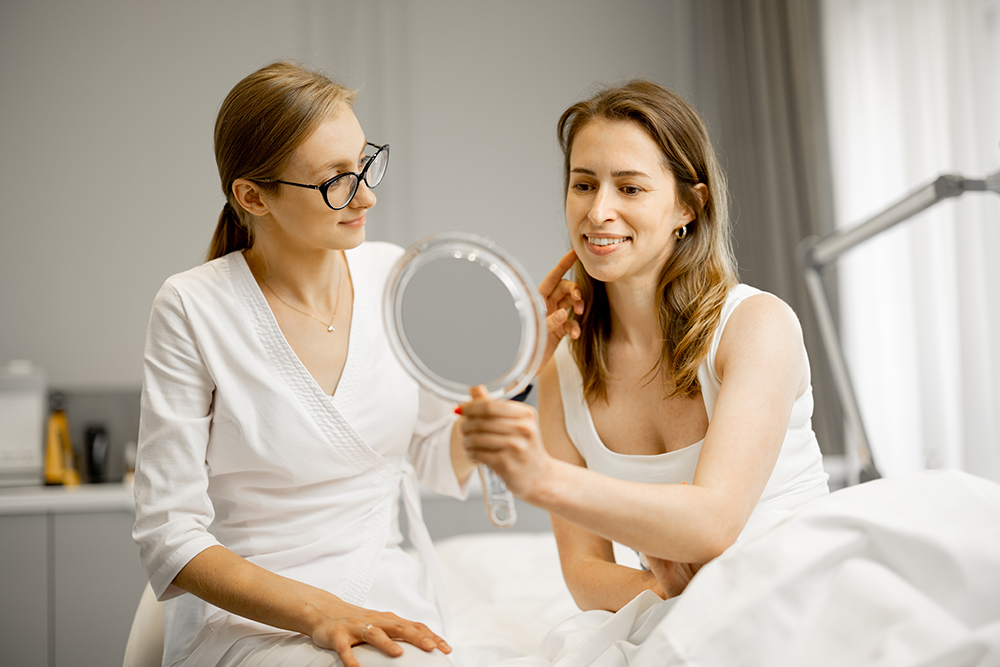
Results vary based on age, lifestyle, and baseline collagen levels. Clinically, improvements can last several years, particularly when patients follow a structured maintenance plan2.
Collagen production continues for months after treatment. While the skin aging process does not stop, laser resurfacing improves collagen quality and density, effectively shifting the skin to a stronger baseline.
When supported by medical skincare and sun protection, the sustained laser facial benefits become part of a long-term age management strategy rather than a temporary cosmetic fix.
How Many Laser Resurfacing Sessions Are Needed?
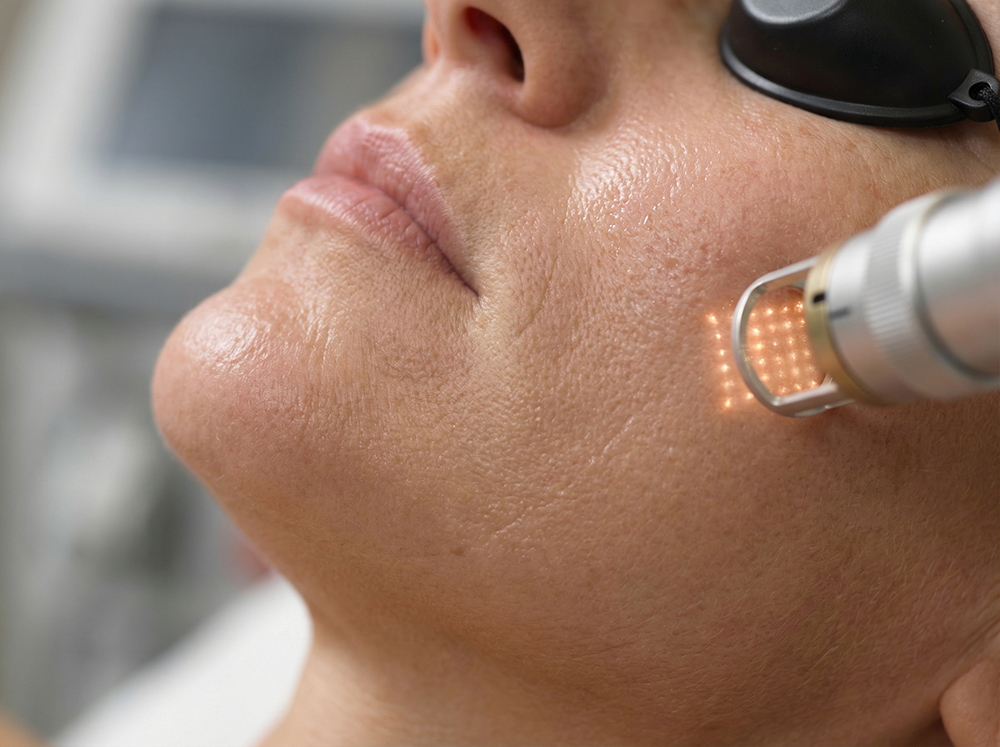
The answer depends on the degree of skin collagen loss, texture irregularities, and treatment goals. Some individuals benefit from one deeper resurfacing session. Others require a series of lighter treatments spaced over months. Maintenance every one to two years is common to preserve structural gains.
Because the skin aging process progresses gradually, periodic collagen stimulation maintains dermal resilience. The objective is not frequent repetition, but strategic reinforcement of long-term laser facial benefits.
Can Laser Resurfacing Prevent Aging?
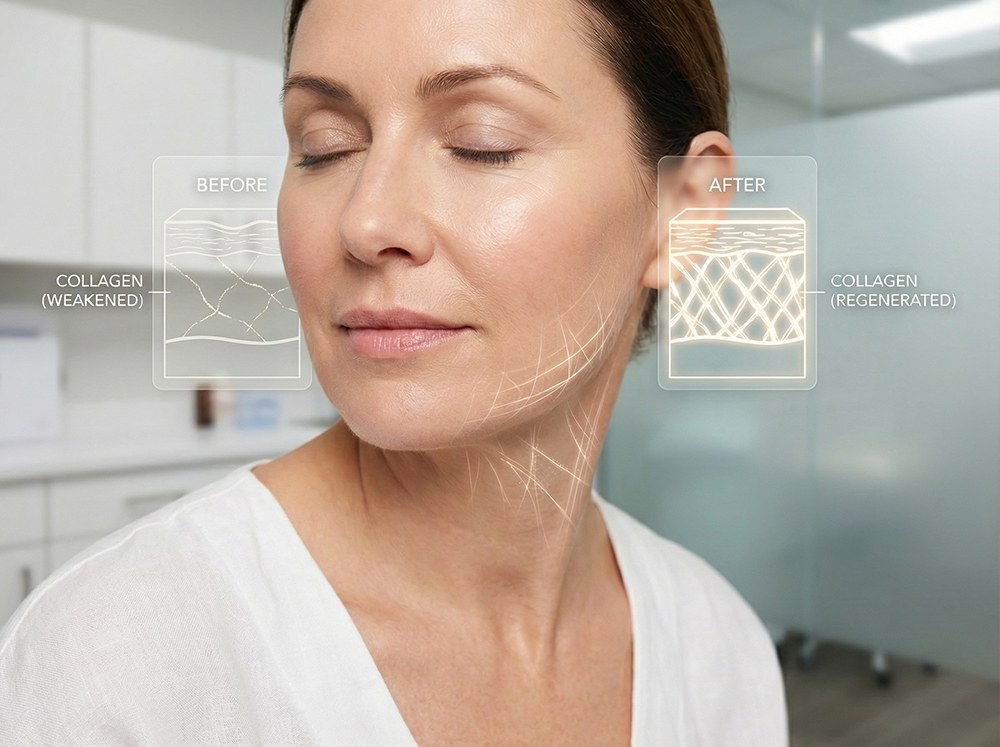
Nothing can quite prevent biological aging. However, laser resurfacing supports healthier collagen architecture and improves the skin’s structural integrity. By addressing skin collagen loss, laser treatments slow visible progression of lines and laxity. They enhance dermal thickness and improve elasticity retention.
Within a structured plan, repeated collagen stimulation contributes to ongoing skin texture improvement and resilience. The preventative value lies in maintaining strength as the skin aging process advances, not in halting it entirely.
What Treatments Stimulate Collagen Long Term?

Clinically supported options include:
Among these, fractional resurfacing remains one of the most powerful tools for structural renewal. Its depth and precision make its laser facial benefits particularly impactful in improving collagen density and partially restoring dermal structure affected by skin collagen loss.
Combination therapy enhances outcomes. For example, resurfacing paired with biostimulators amplifies collagen synthesis and supports sustained skin texture improvement treatment.
What Treatment Gives the Longest-Lasting Anti-Aging Results?

No single intervention delivers permanent results. Durable improvement comes from a layered strategy that addresses:
- Dynamic wrinkles
- Volume loss
- Pigment
- Structural collagen decline
Laser resurfacing provides foundational dermal remodeling. Neuromodulators relax repetitive muscle movement. Biostimulators enhance collagen production. Medical skincare maintains epidermal health.
Together, these approaches counteract the skin aging process more effectively than isolated treatments. The long-term structural nature of laser facial benefits makes laser resurfacing central within this strategy.
How Often Should You Do Laser Resurfacing?

Frequency depends on intensity and patient goals. Light resurfacing may be performed annually. Deeper treatments are typically spaced several years apart. Timing should reflect the degree of skin collagen loss and overall dermal condition.
Regular evaluation ensures that collagen stimulation aligns with the patient’s stage in the skin aging process. Thoughtful scheduling preserves cumulative laser facial benefits without overtreatment.
Who Benefits Most From Laser Resurfacing?
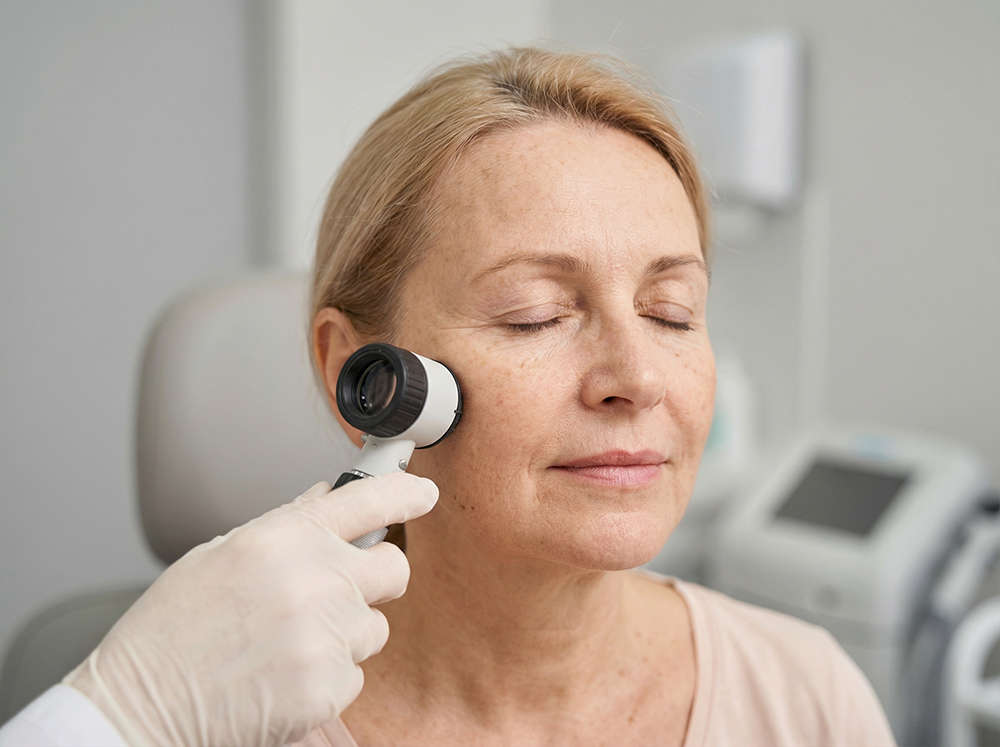
Patients in their mid-thirties to sixties often experience progressive skin collagen loss and visible texture changes. Ideal candidates include those with:
- Fine lines
- Pigmentation irregularities
- Early laxity
- Uneven tone
- Acne scarring
They seek non-surgical solutions focused on structural renewal and measurable improvement. These individuals typically prefer evidence-based treatments that address the underlying skin aging process, rather than temporary surface enhancement.
For facial skin, fractional resurfacing delivers clinically meaningful laser facial benefits that support durable skin texture improvement and long-term dermal strength.
A Clinically Guided Approach to Aging Well

Quick fixes create cycles of temporary satisfaction. Long-term planning creates measurable structural change. By addressing skin collagen loss and intervening directly in the skin aging process, laser resurfacing delivers sustained dermal remodeling. The true power of laser facial benefits lies not in instant brightness, but in controlled collagen renewal that strengthens the skin over time.
Strategic, medically guided care transforms resurfacing from a cosmetic event into a foundational age management tool.
Elevate Your Skin With Advanced Laser Care
Our medical aesthetic clinic in Laval QC offers cutting-edge laser technologies designed to stimulate collagen, improve texture, and support long-term skin health. Every treatment is tailored to your biology and goals. Contact us to develop a structured skin plan built on science and lasting results.
References
- Clegg, R. (2025, September 27). Do collagen supplements work to reduce signs of skin ageing? https://www.bbc.com/news/articles/cjr5zj12ye1o
- Laser resurfacing – Mayo Clinic. (n.d.). https://www.mayoclinic.org/tests-procedures/laser-resurfacing/about/pac-20385114
You May Also Like