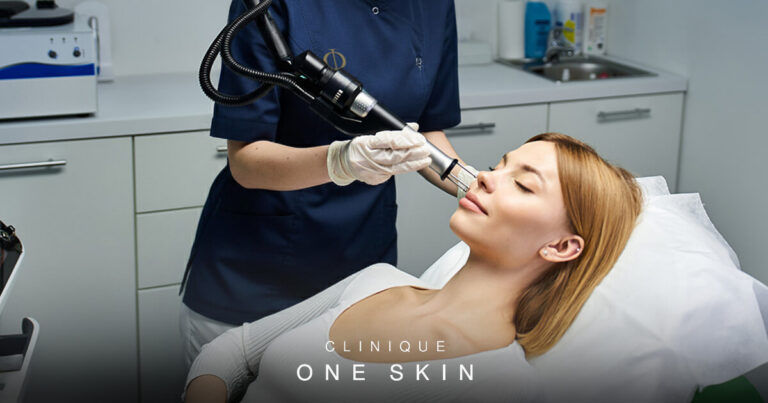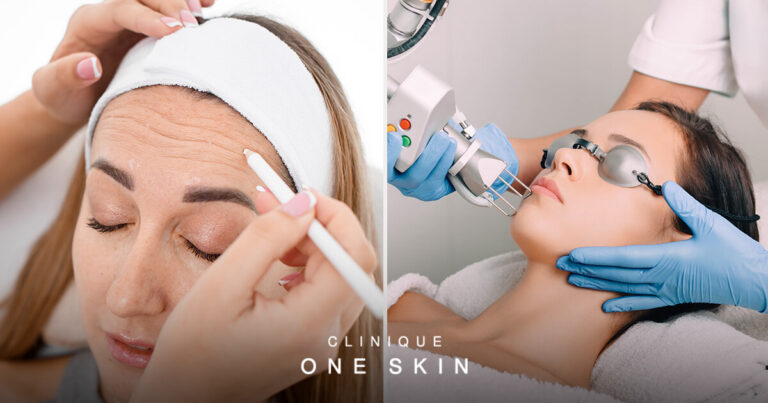

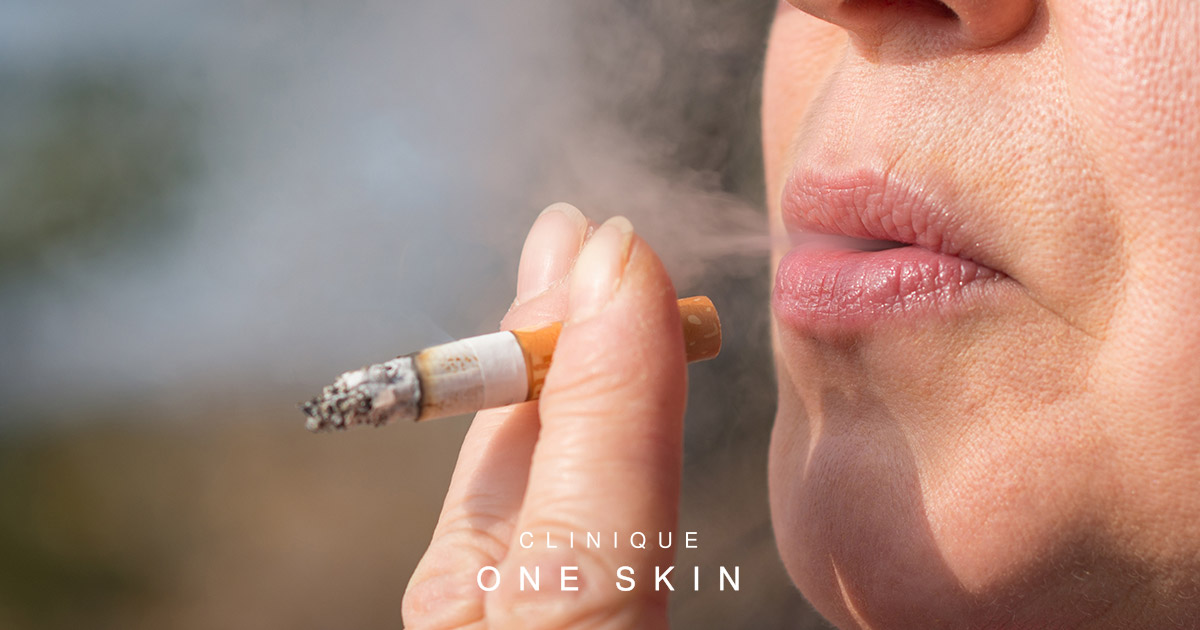
Many people first notice signs of aging not in their cheeks or eyes, but around the lips, where fine vertical lines begin to appear seemingly overnight. This leads to one of the most common concerns patients seek treatment for: smoker lines, a type of wrinkle that forms vertically around the lips. While these lines are frequently associated with smoking, they can also appear in individuals who have never smoked.
Understanding what smoker lines are and the biological processes that cause them helps explain why they develop and how modern aesthetic medicine treats them.
Clinically, smoker lines are also referred to as perioral lines, vertical lip lines, or perioral wrinkles. These lines develop due to repeated muscle movement combined with structural changes in the skin that occur with aging. Advances in dermatology and aesthetic medicine now offer several effective options to get rid of smoker lines through targeted smoker lines treatment.
What Are Smoker Lines?
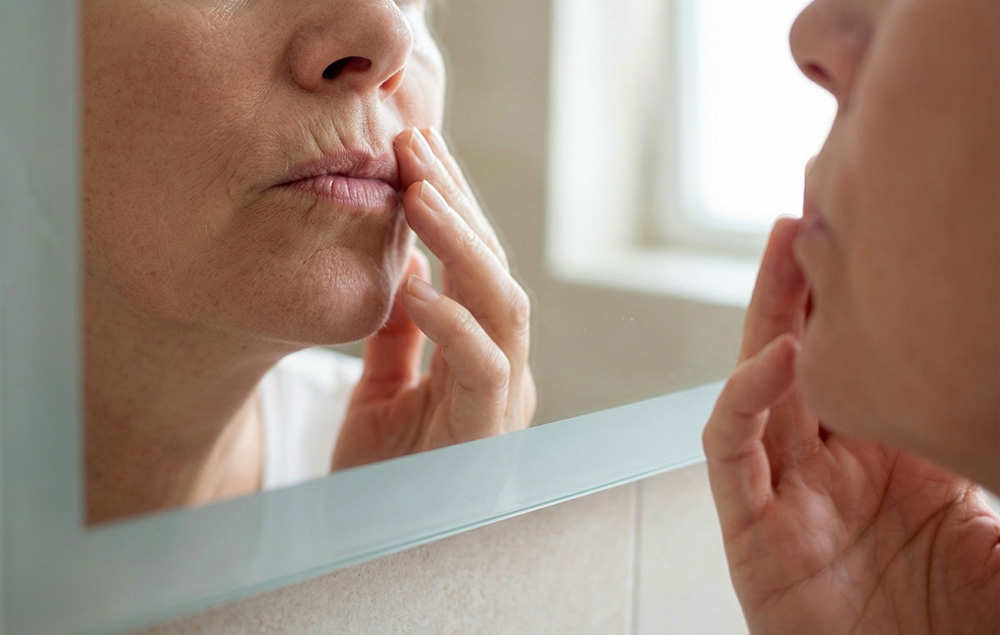
To understand what smoker lines are, it is important to look at the anatomy of the mouth region. The lips are surrounded by the orbicularis oris muscle, which controls movements such as puckering, speaking, and drinking. Because this muscle contracts constantly throughout the day, the skin around the mouth is exposed to repeated mechanical stress.
Over time, this stress can create fine vertical creases in the skin. These creases eventually develop into permanent wrinkles known as smoker lines. They typically appear as wrinkles above the lips, although they can also extend slightly downward from the lower lip.
These lines often begin as subtle vertical lip lines that only appear during facial movement. As the skin ages and loses elasticity, they become static perioral wrinkles that remain visible even when the face is at rest. This is why many patients notice that perioral lines deepen with age.
Why Smoker Lines Develop
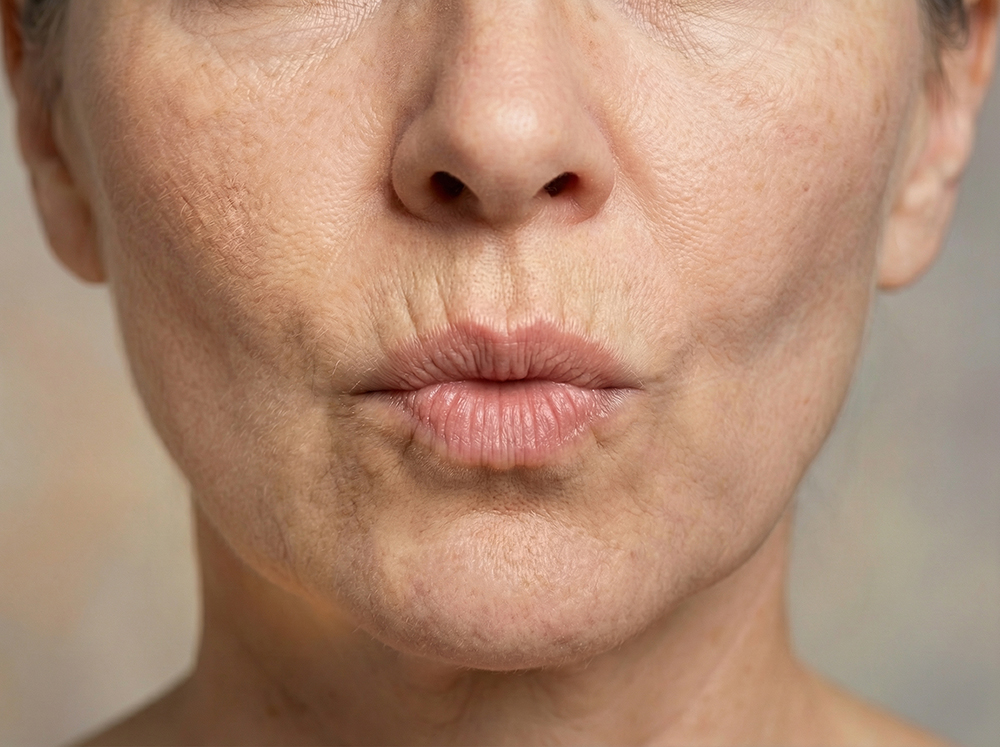
Multiple biological and environmental factors contribute to the formation of smoker lines. These causes often work together, which is why effective smoker lines treatment often involves a combination of approaches.
Repetitive Lip Movement
The primary mechanical cause of perioral lines is repeated contraction of the orbicularis oris muscle. Activities such as smoking, drinking through straws, whistling, or puckering the lips create repeated folding of the skin. Over time, these folds leave permanent creases.
As skin elasticity decreases with age, it becomes less capable of returning to its original position after muscle contraction. This accelerates the formation of vertical lip lines and wrinkles above the upper lip.
Collagen and Elastin Loss
Aging leads to a gradual decline in collagen and elastin production. Collagen provides structural strength to the skin, while elastin allows it to stretch and rebound.
After the age of 25, collagen production decreases by approximately one percent each year. Reduced collagen makes the skin thinner and more fragile, increasing susceptibility to perioral wrinkles and wrinkles above the lips.
This loss of structural support contributes significantly to the formation of smoker lines, which deepen and become more visible over time.
Smoking and Vascular Changes
Smoking accelerates skin aging through several biological mechanisms. Tobacco smoke introduces free radicals that damage collagen and elastin fibres in the dermis.
Additionally, nicotine constricts blood vessels, reducing oxygen and nutrient delivery to skin cells. This impaired circulation interferes with skin repair and regeneration, which can worsen vertical lip lines and deepen existing perioral lines.
Even individuals who do not smoke may develop smoker lines, but tobacco exposure often causes them to appear earlier and more prominently.
Sun Exposure and Photoaging
Ultraviolet radiation is one of the most significant external contributors to skin aging. UV rays degrade collagen fibres and stimulate enzymes known as matrix metalloproteinases that break down the skin’s structural framework.
Chronic sun exposure weakens the dermal matrix and accelerates the development of perioral wrinkles. Over time, this process contributes to deeper smoker lines and visible wrinkles around the lips.
Medical Treatments for Smoker Lines
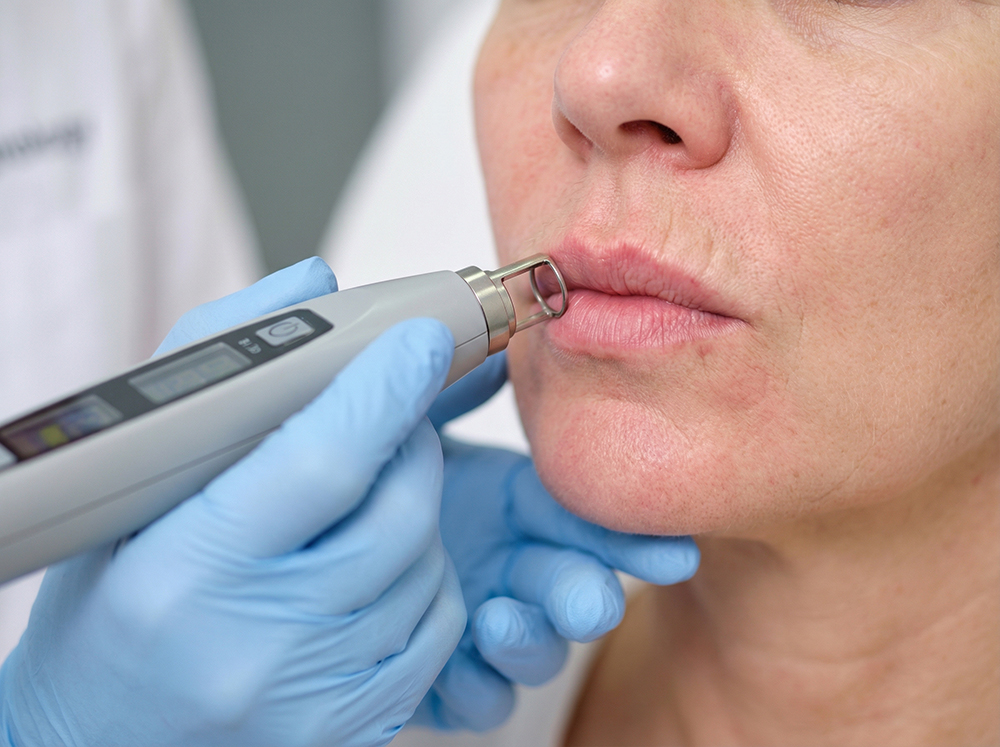
Modern dermatology offers multiple effective options for getting rid of smoker lines. Treatment selection depends on wrinkle depth, skin quality, and the patient’s overall facial anatomy.
Neuromodulators
Botulinum toxin injections are commonly used to treat mild to moderate perioral lines. These neuromodulators temporarily relax the orbicularis oris muscle, reducing repetitive contraction that contributes to vertical lip lines.
By decreasing muscle activity, the treatment softens existing perioral wrinkles and helps prevent further formation of smoker lines. Results typically appear within several days and last three to four months.
Neuromodulators are often combined with other smoker lines treatment methods for optimal outcomes.
Dermal Fillers
Hyaluronic acid dermal fillers are frequently used as an upper lip wrinkle treatment. These fillers restore lost volume and support the skin structure around the mouth.
By replenishing hyaluronic acid in the dermis, fillers smooth wrinkles above the upper lip, improve lip contour, and soften vertical lip lines. This approach is particularly effective for moderate to deep perioral wrinkles.
Results are visible immediately and may last between six and twelve months, depending on the product used.
Laser Resurfacing
Laser resurfacing treatments target the outer layers of damaged skin while stimulating collagen production in deeper layers. This regenerative response improves skin texture and reduces wrinkles around the lips.
Laser therapy is particularly beneficial for treating fine perioral lines and improving overall skin quality around the mouth. Because it stimulates collagen remodelling, it can provide longer-term improvement in smoker lines.
Microneedling and Collagen Induction
Microneedling creates controlled micro-injuries in the skin that stimulate the body’s natural wound healing response. This process increases collagen and elastin production, improving skin elasticity.
For patients with mild to moderate perioral wrinkles, microneedling can gradually reduce vertical lip lines and enhance skin firmness. It is often combined with other smoker lines treatment options for improved results.
What To Expect During a Medical Aesthetic Consultation
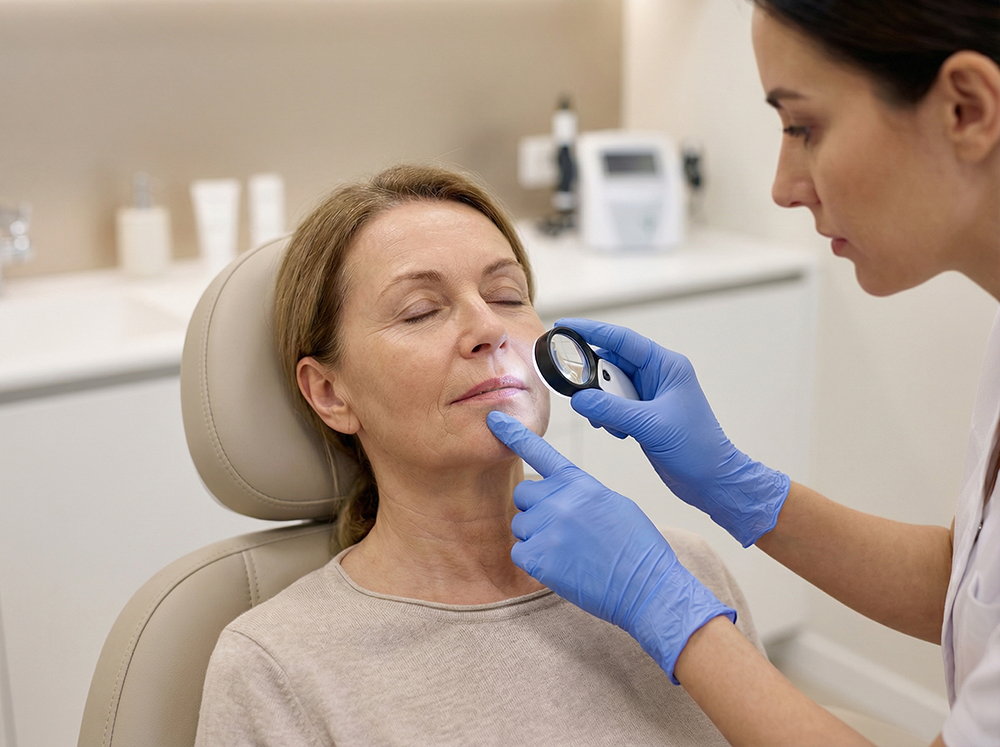
Before beginning any upper lip wrinkle treatment, patients typically undergo a comprehensive consultation with a qualified aesthetic practitioner.
Understanding what you can expect during a medical aesthetic consultation helps patients feel more prepared for the process. During this evaluation, the practitioner examines the skin quality, wrinkle depth, facial muscle activity, and lip structure.
A personalized treatment plan is then created to address smoker lines, perioral lines, and other perioral wrinkles that may contribute to aging around the mouth.
Combination therapy is often recommended because treating both muscle activity and skin quality usually produces the most natural results.
FAQ
What is the best treatment for lip lines?
The best treatment for lip lines depends on the depth of the wrinkles and the underlying cause. Mild perioral lines may respond well to neuromodulators or microneedling, while deeper wrinkles above the upper lip often require dermal fillers or laser resurfacing. Many practitioners recommend combining treatments for optimal smoker line treatment results.
What is upper lip wrinkle treatment?
Upper lip wrinkle treatment refers to medical procedures designed to reduce perioral wrinkles, vertical lip lines, and wrinkles above the lips. Common treatments include neuromodulator injections, dermal fillers, laser resurfacing, and microneedling. These approaches led by physicians target muscle activity, collagen loss, and skin texture to improve the appearance of smoker lines.
What do smoker lines look like before and after treatment?
Before treatment, smoker lines often appear as narrow vertical lip lines extending from the upper lip. These perioral wrinkles may deepen with facial movement or remain visible at rest. After professional smoker lines treatment, patients typically notice smoother skin texture, reduced wrinkles above the upper lip, and improved lip definition.
Can microneedling help smoker lines?
Yes, microneedling can help improve perioral lines and perioral wrinkles by stimulating collagen production. This treatment gradually softens vertical lip lines and improves skin elasticity. Although microneedling alone may not eliminate deep smoker lines, it is often used alongside fillers or neuromodulators as part of a comprehensive smoker lines treatment plan.
Restoring a Smoother, Younger Appearance Around the Lips

Understanding what smoker lines are and why they develop allows patients to choose effective solutions for facial rejuvenation. These lines arise from a combination of muscle movement, collagen loss, environmental exposure, and aging skin structure.
Fortunately, modern aesthetic medicine offers several options for getting rid of smoker lines, ranging from neuromodulators and dermal fillers to laser resurfacing and microneedling.
When performed by qualified professionals, these treatments can significantly reduce perioral wrinkles, soften wrinkles above the lips, and improve the appearance of vertical lip lines.
By addressing the underlying biological causes of smoker lines, patients can achieve natural-looking results that restore smoother skin and rejuvenate the entire mouth area.
Personalized Treatment Options at Clinique One Skin
At Clinique One SkinTM, our medical aesthetic specialists offer advanced, evidence-based solutions to treat smoker lines and other perioral wrinkles. Using treatments such as neuromodulators, dermal fillers, laser resurfacing, and microneedling, we create personalized plans to improve vertical lip lines and restore smoother skin.
If you’re noticing early or deepening lines around the lips, a consultation with our experts can help determine the most appropriate combination of treatments based on your skin and goals.
You May Also Like