
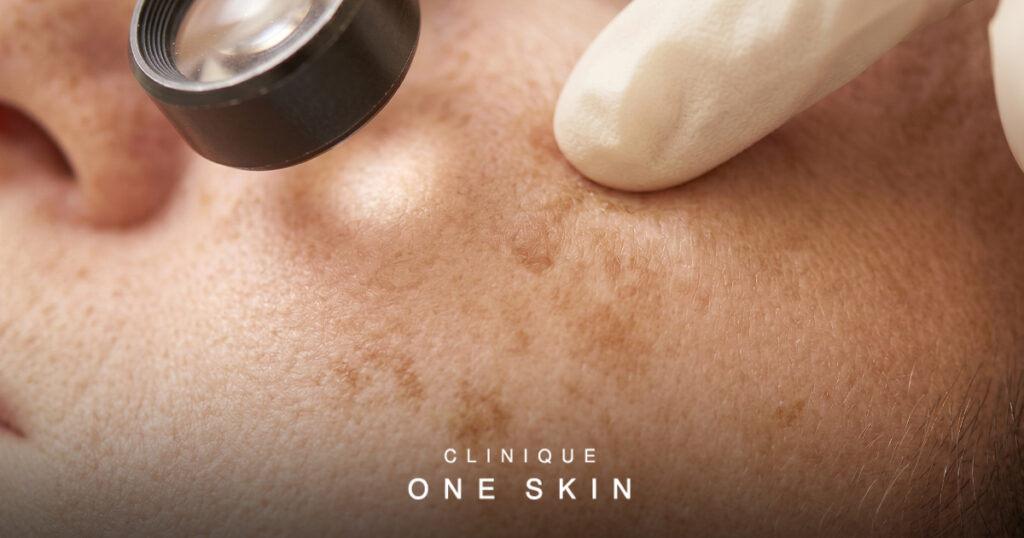
Years of sun exposure can leave lasting effects on the skin, including uneven tone, dark spots, and visible signs of premature aging. While these changes are common, they are not all caused by the same process. Sunspots, melasma, and post-inflammatory hyperpigmentation may appear similar, but each develops differently and often requires a different treatment strategy.
Rather than relying solely on over-the-counter products, a medical hyperpigmentation treatment plan begins by identifying the underlying cause of discoloration and selecting therapies appropriate for your skin type and goals. This personalized approach can improve results while reducing the risk of unnecessary irritation or recurrence.
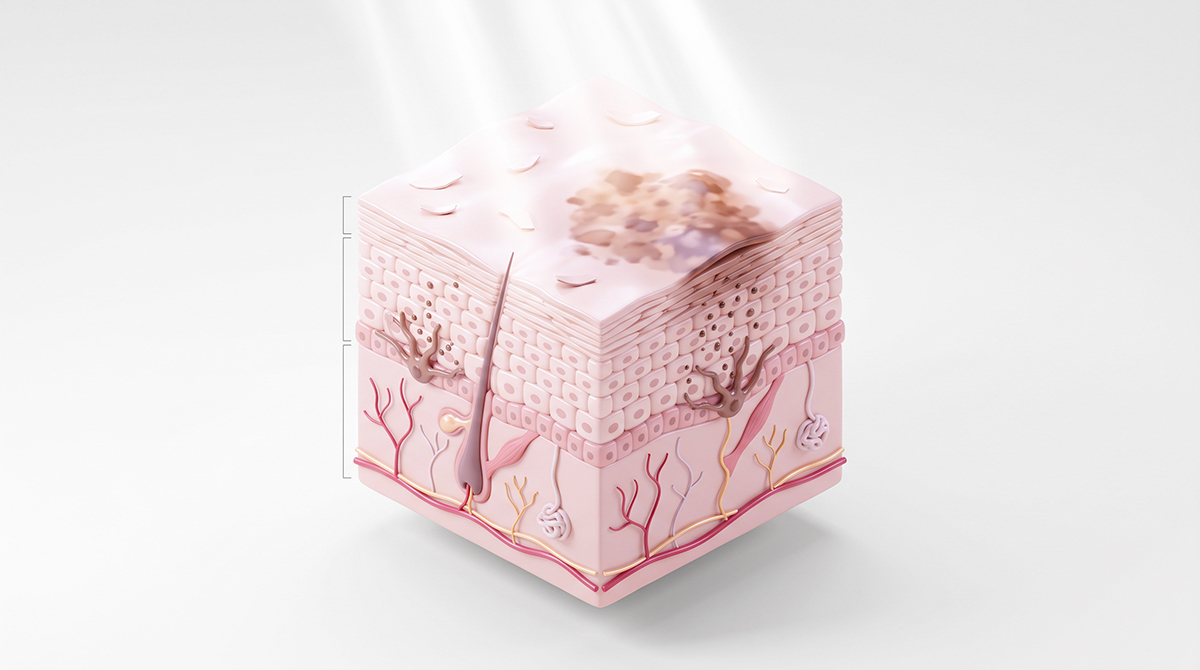
Hyperpigmentation occurs when the skin produces excess melanin, the pigment responsible for skin color. Ultraviolet (UV) exposure is one of the most common triggers, but inflammation, hormonal changes, certain medications, and skin injuries can also contribute.
Not all pigmentation behaves the same way. Sunspots typically develop after years of UV exposure, while melasma is often driven by hormonal changes and may become more noticeable with sun exposure. Post-inflammatory hyperpigmentation develops after acne, eczema, or skin injuries heal. Because these conditions respond differently to treatment, accurate diagnosis is an important first step before beginning any medical hyperpigmentation treatment.
Why Professional Assessment Comes First
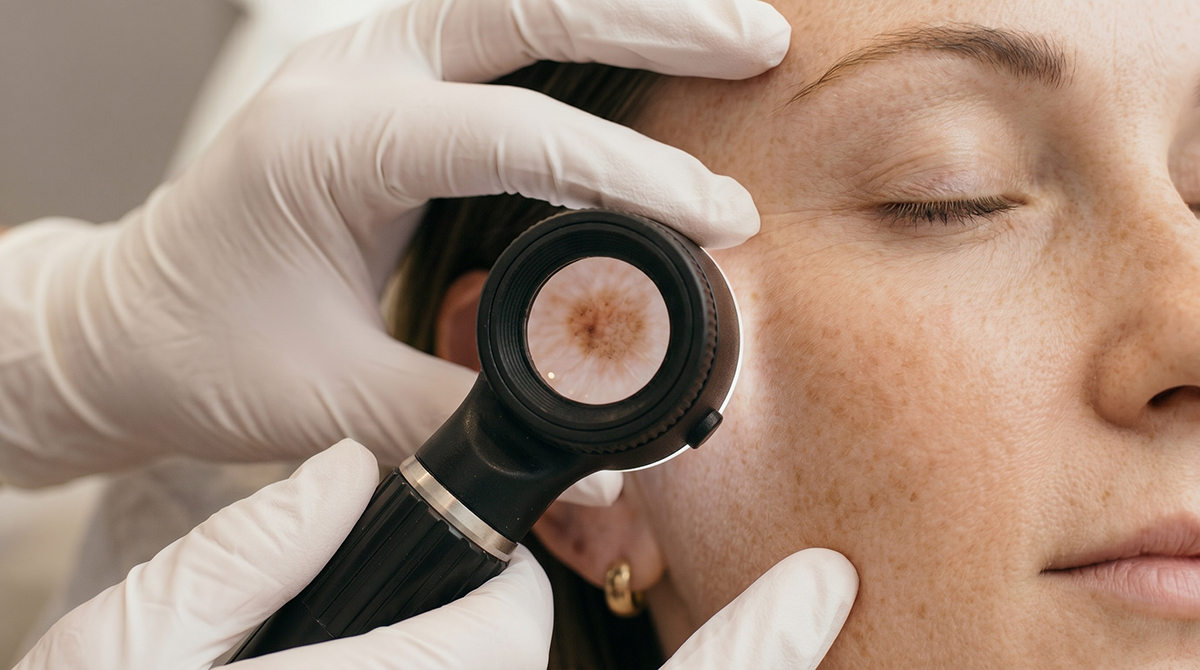
Many people assume all dark spots can be treated with the same cream or procedure. In reality, effective care depends on several factors, including the depth of pigmentation, skin tone, medical history, and previous treatments.
A physician-guided evaluation helps determine whether pigmentation is primarily epidermal, dermal, or a combination of both. This information influences which technologies and products are likely to provide the safest and most effective outcome. It also supports long-term skin planning, allowing treatment decisions to address both current concerns and future skin health rather than focusing only on short-term improvements.
Why Skincare Alone May Not Be Enough

Brightening serums and over-the-counter creams can help improve mild discoloration, particularly when pigmentation is close to the skin’s surface. However, deeper or more persistent pigmentation often requires additional intervention.
Professional medical-grade skincare may also contain higher-strength active ingredients and is typically incorporated into a broader treatment plan. Rather than replacing in-office procedures, medical-grade skincare often supports healing, helps regulate pigment production, and improves overall treatment outcomes.
For patients wondering how to reverse sun damage, combining topical therapies with medical procedures often produces more noticeable and longer-lasting improvements than skincare alone.
Laser Skin Resurfacing for Sun Damage
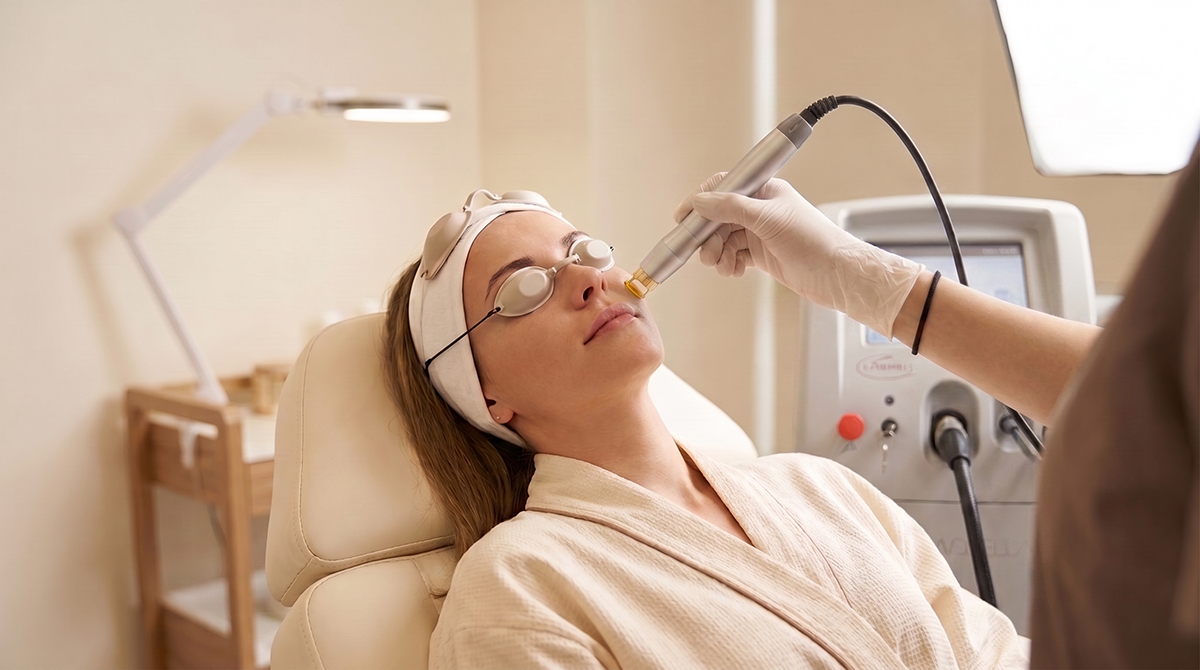
One of the most effective options for improving sun-related pigmentation is laser skin resurfacing for sun damage. Modern laser technologies deliver controlled energy into targeted areas of the skin, helping break down excess pigment while stimulating natural skin renewal.
Depending on the individual’s needs, treatment may also encourage collagen remodeling, improving skin texture alongside discoloration. Because pigmentation varies in depth and severity, multiple sessions may be recommended to gradually improve results while minimizing unnecessary trauma to surrounding tissue.
Clinics offering hyperpigmentation treatment in Laval often customize laser selection based on the patient’s skin type, pigmentation pattern, and overall treatment goals rather than using a one-size-fits-all approach.
Chemical Peels for Hyperpigmentation
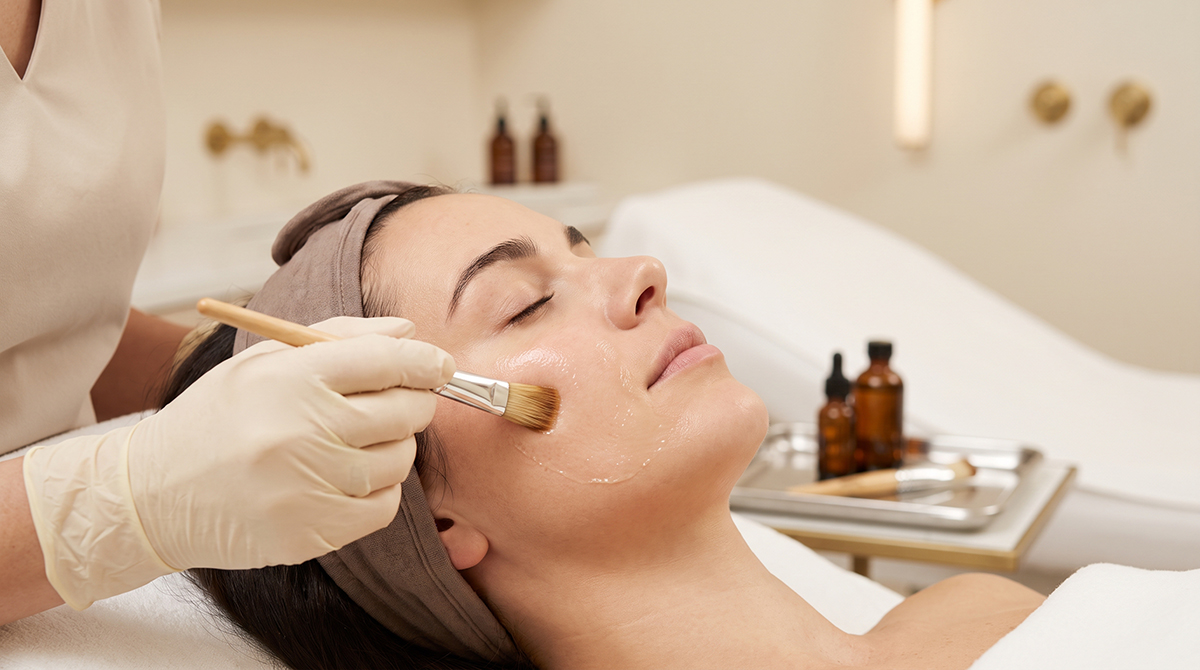
Another commonly recommended option is chemical peels for hyperpigmentation. Carefully selected peeling agents remove damaged outer skin layers, encouraging healthier skin turnover and gradually improving uneven pigmentation.
The depth of the peel is individualized based on skin sensitivity, pigmentation type, and recovery expectations. Superficial peels may be appropriate for mild discoloration, while medium-depth peels can address more noticeable pigmentation under professional supervision.
In many cases, chemical peels for hyperpigmentation work best when incorporated into a comprehensive treatment plan alongside laser procedures and customized skincare.
The Role of Medical-Grade Skincare

Professional topical treatments remain an important component of any medical hyperpigmentation treatment strategy. Depending on individual needs, physicians may recommend ingredients such as retinoids, azelaic acid, vitamin C, niacinamide, or other pigment-regulating agents.
These products help manage ongoing pigment production while supporting skin repair between in-office treatments. Consistent use of medical-grade skincare may also help maintain improvements and reduce the likelihood of future discoloration.
Because stronger active ingredients are not appropriate for everyone, treatment plans should always be tailored to the individual’s skin condition and tolerance.
Combining Treatments for Better Results

Pigmentation often develops through several biological pathways rather than a single cause. As a result, addressing only one aspect of the condition may produce incomplete or temporary improvements.
A personalized sun damage treatment plan may combine laser procedures, topical therapies, chemical peels, and daily sun protection. Each component addresses a different part of the pigmentation process, helping remove existing discoloration while reducing the risk of new pigment formation.
Patients seeking hyperpigmentation treatment in Laval frequently benefit from this layered approach because it allows treatments to be adjusted as the skin responds over time.
Daily Sun Protection Supports Every Treatment

Even the most advanced sun damage treatment cannot completely prevent future pigmentation if UV exposure continues without protection.
Using a broad-spectrum sunscreen daily, wearing protective clothing, and avoiding peak UV hours all play an important role in preserving treatment results. Consistent sun protection also reduces the stimulation of melanocytes, helping prevent existing pigmentation from returning.
For individuals researching how to reverse sun damage, prevention should always be considered an essential part of the treatment process rather than an afterthought.
Building Lasting Results Through Personalized Care
Visible sun damage and hyperpigmentation rarely have a single cause or a universal solution. A personalized medical hyperpigmentation treatment plan considers your skin type, the underlying cause of pigmentation, and your long-term goals to recommend the most appropriate combination of therapies.
Whether that includes laser skin resurfacing for sun damage, chemical peels for hyperpigmentation, or customized medical-grade skincare, professional assessment at Clinic One Skin Dermatology can help you treat sunspots, improve overall skin tone, and support healthier skin with realistic, lasting expectations.
You May Also Like